


Most patients can begin gentle washing on day 3 and return to a normal shampoo routine after 10 to 14 days, depending on how quickly the scalp heals. Washing hair after transplant is not optional aftercare; done correctly it protects grafts, lowers infection risk, and speeds recovery, while washing too early or too hard can dislodge fragile follicles.
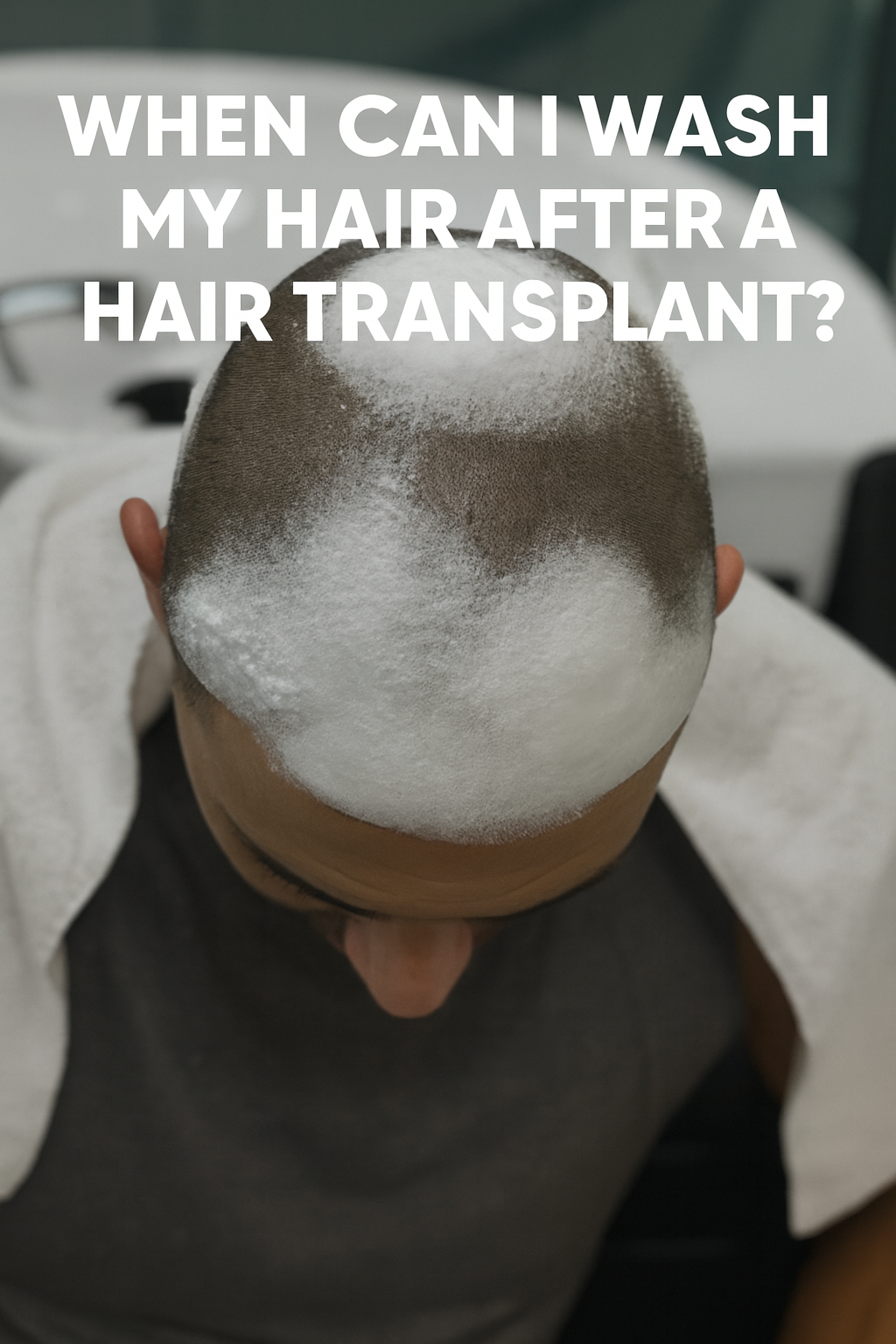
This guide explains the full washing timeline, the products to use, the exact technique, and the mistakes that quietly ruin results, so you know precisely what to do from the first rinse to your first normal wash.
Key Takeaways
- No washing for the first 48 hours to let grafts anchor.
- Gentle washing starts on day 3 to 5 using only clinic-approved lotion and shampoo.
- Normal washing resumes after 10 to 14 days, once scabs have shed and the surgeon confirms healing.
- Use lukewarm, low-pressure water, fingertips instead of nails, and pat dry with a soft towel.
- Over-washing, hot water, and early return to regular shampoo are the three most common graft-damaging errors.
Why Proper Washing Matters After a Hair Transplant
Correct washing directly decides whether grafts survive the first two weeks, which is the single most fragile window of recovery. Proper wound care, including scalp cleansing, plays a crucial role in healing, graft survival, and aesthetic results, according to the National Institutes of Health (NIH). Each gentle wash lifts away dried blood, excess oil, and loosening scabs so the follicles can breathe, while poor technique can pull an implanted graft out before it ever takes root.
Washing is the part of a structured hair transplant aftercare routine you perform most often, which is why a small daily error adds up faster here than almost anywhere else in recovery.
What is a graft? A graft is a tiny unit of one to four hair follicles harvested and implanted during the transplant. For the first days it sits loosely in the scalp and relies on gentle handling to stay in place.
When Can You Wash Your Hair Normally? The Full Timeline
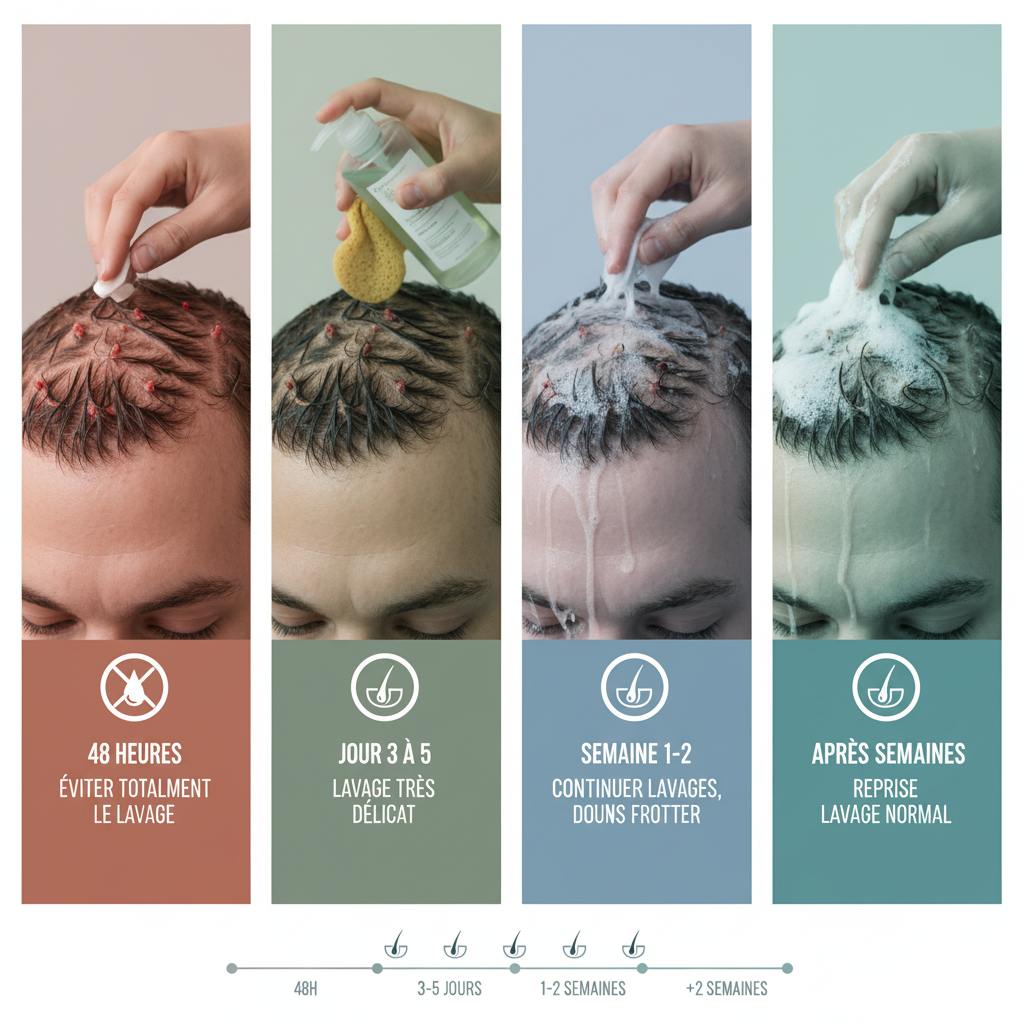
Normal washing returns around day 10 to 14, but the process moves through four clear phases before that point. Washing hair after transplant should always follow this staged timeline rather than a single fixed date, because healing speed varies from person to person.
| Timeframe | What Happens | What You Should Do |
|---|---|---|
| First 48 hours | Grafts are most fragile | Avoid washing completely |
| Day 3–5 | Healing starts | Begin gentle washing with clinic-approved products |
| Week 1–2 | Scabs form and shed | Continue soft washing, no rubbing or pressure |
| After 2 weeks | Grafts settled | Resume normal washing (confirm with your surgeon) |
First 48 Hours
Do not wash your hair at all during the first two days. Even light pressure or water flow can dislodge newly placed grafts, so this pause gives them time to stabilise in their new channels.
Day 3 to Day 5
Gentle washing begins on the third day, strictly following your surgeon’s instructions. Use the medical lotion or shampoo provided by your clinic, not your regular shampoo yet. Apply the lotion first, let it soften the scabs, then rinse with your hand rather than a direct stream.
Weeks 1 to 2
Keep washing soft while the scabs form and shed, usually clearing within 10 to 14 days. Avoid scrubbing or rubbing, and let water flow gently over your scalp so the crusts fall away on their own instead of being peeled off.
After Two Weeks
Most patients return to normal washing around the two-week mark, provided there are no signs of infection or irritation. If you notice spreading redness, pus, or increasing pain rather than steady improvement, review the signs of a hair transplant infection and contact your clinic before continuing. This is also roughly when many patients ask about a first trim, though you should wait for clearance before any haircut after a hair transplant.
How to Wash Your Hair Safely After a Hair Transplant
Safe washing comes down to softening the scabs first, using diluted sulfate-free shampoo, and letting water do the work instead of your fingers. Follow these five steps every time until your surgeon approves your normal routine.
| Step | Action | Purpose |
|---|---|---|
| 1. Prepare the scalp | Apply lotion/spray recommended by your clinic | Soften scabs and ease washing |
| 2. Use mild shampoo | Choose sulfate-free, diluted shampoo | Avoid irritation |
| 3. Apply gently | Use fingertips, not nails | Protect grafts |
| 4. Rinse carefully | Use lukewarm, low-pressure water | Prevent dislodging |
| 5. Pat dry | Use soft towel or paper tissue | Avoid friction |
The order matters: skipping the lotion step forces you to rub harder to remove dried crusts, which is exactly the pressure grafts cannot tolerate.
Key Tips for Smooth Healing
A few small habits protect your results far more than any single product. Follow these to keep recovery on track:
- Avoid hot showers, which can irritate and inflame the healing scalp.
- Skip styling products like gels and sprays until your doctor approves them.
- Protect the grafts from direct UV light; keep the scalp covered until your surgeon confirms it is safe to expose it to the sun.
- Be gentle when combing or touching the transplanted area.
- Avoid smoking and alcohol, since both slow circulation and delay healing.
When your instructions and your instinct disagree, the surgeon’s aftercare plan always wins.
Expert note: The most common recovery mistake we see is patients deciding on their own that the scalp “looks healed enough” and returning to vigorous washing a few days early. The scalp recovers from the surface down, so grafts can still be loose even when the skin looks calm.
Common Mistakes to Avoid When Washing After a Hair Transplant
The biggest washing mistakes all happen in the first 10 days, when grafts are still settling. Washing hair after transplant too aggressively during this window is the leading cause of avoidable graft loss.
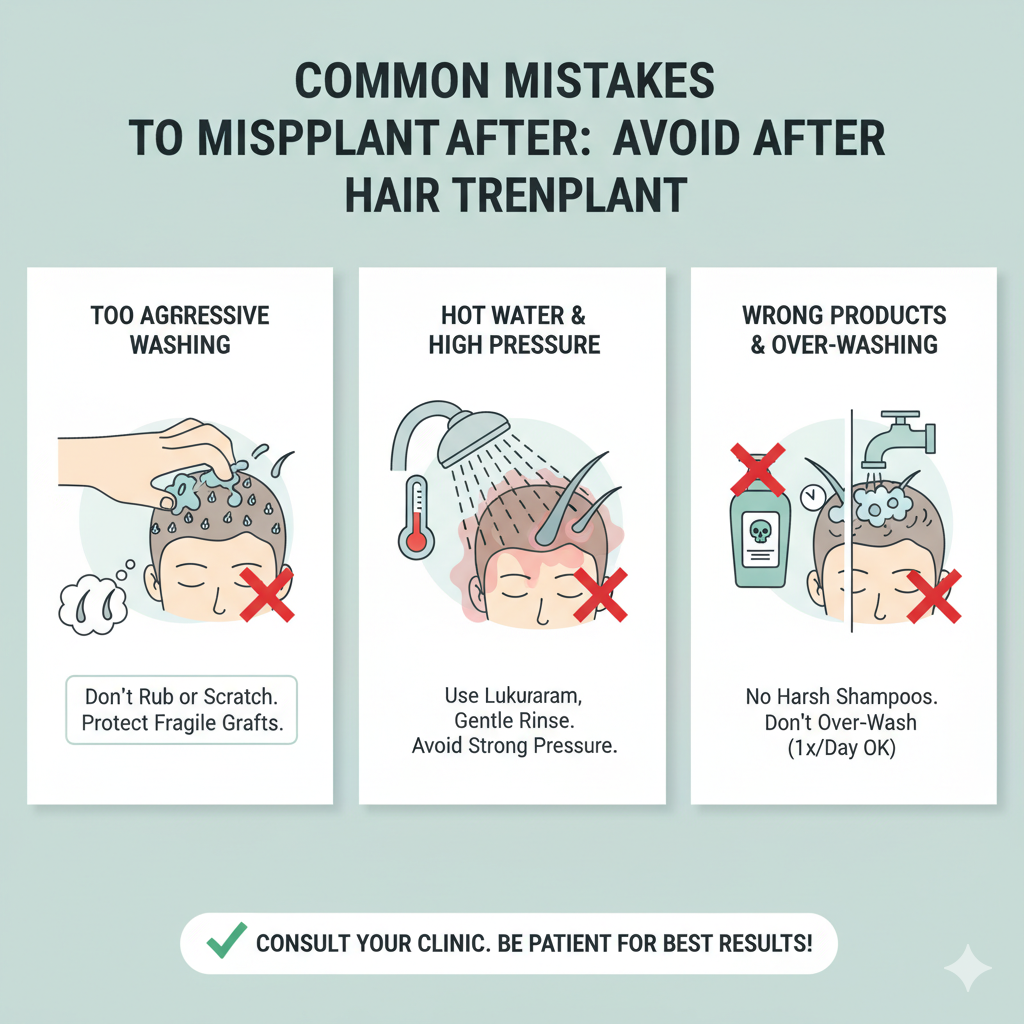



Rubbing, scratching, or applying pressure can easily dislodge fragile grafts and slow healing. Hot water and strong shower pressure do the same damage more subtly, so switch to lukewarm, low-pressure rinsing even if you feel ready for your old routine.
Returning to regular shampoo too early is another frequent error, because chemically strong, sulfated products dry out the scalp and interfere with healing. Wait for your surgeon’s green light before switching back.
Finally, avoid washing several times a day in the hope of speeding things up. Over-washing strips the natural oils the scalp needs to recover. Proper washing is not just about cleanliness; it directly shapes your long-term result, so patience and gentle technique matter more than frequency.
Why Aftercare in Turkey Is Among the Best
Turkey combines affordable hair transplants with high aftercare standards, which is a major reason patients travel there. Beyond the average cost of $2,500 to $3,500, reputable clinics build structured follow-up into the price rather than treating it as an extra.
Clinics here typically provide:
- Detailed washing and aftercare instructions
- Follow-up visits or online check-ins
- Specialised aftercare kits for washing and scalp hydration
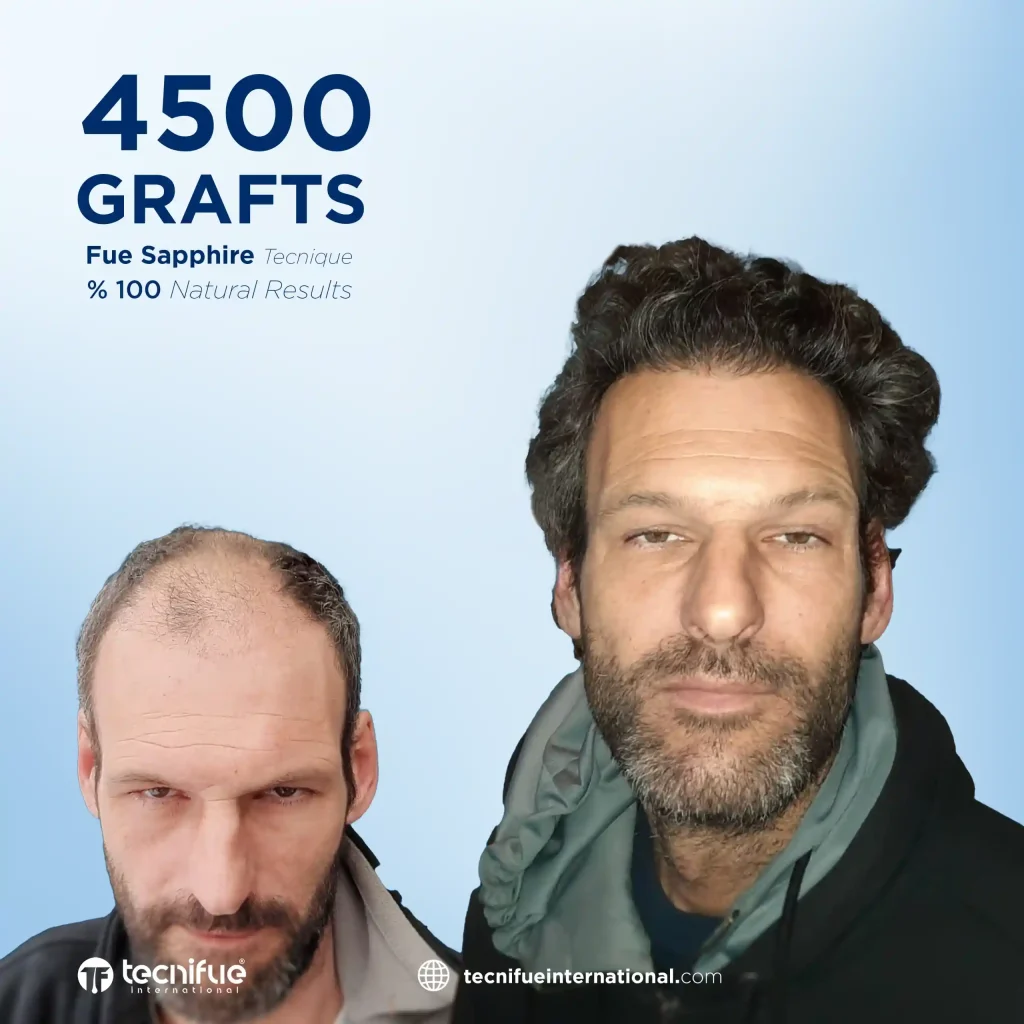
At Tecnifueinternational, that aftercare focus means your washing routine, scab shedding, and first normal wash are tracked by professionals rather than left to guesswork. If you are still wondering whether a treatment abroad is a sound decision, the question of whether a hair transplant in Turkey is safe comes down to hygiene standards and monitored recovery, both of which define the top clinics. A hair transplant relocates healthy follicles from dense donor areas to thinning or bald regions, restoring natural hair growth over several months.
FAQ: Washing Hair After a Hair Transplant
What shampoo should I use?
Only the mild, clinic-recommended or sulfate-free shampoo, diluted with water for the first washes.
Why does the water have to be lukewarm, not hot?
Hot water dilates vessels, increases swelling, and irritates the healing scalp, so lukewarm water is always safer.
How many times a day should I wash?
Once a day is enough during healing. Extra washes strip natural oils the scalp needs to recover.
Can I blow-dry my hair?
Avoid heat styling for at least three weeks. If you must dry your hair, use the cool-air setting only and keep it away from the grafts.
Protecting Your New Hair Starts with the First Wash
Washing hair after transplant is one of the few recovery steps you control every single day, which makes it one of the most decisive. Each careful wash removes debris, lets the follicles breathe, and nudges the scabs toward natural shedding without disturbing the grafts beneath.
Stick to the staged timeline, use gentle technique over frequency, and confirm each change with your surgeon. Patience in the first two weeks is what turns settled grafts into a strong, natural-looking result.
David Altay