


Quick Answer
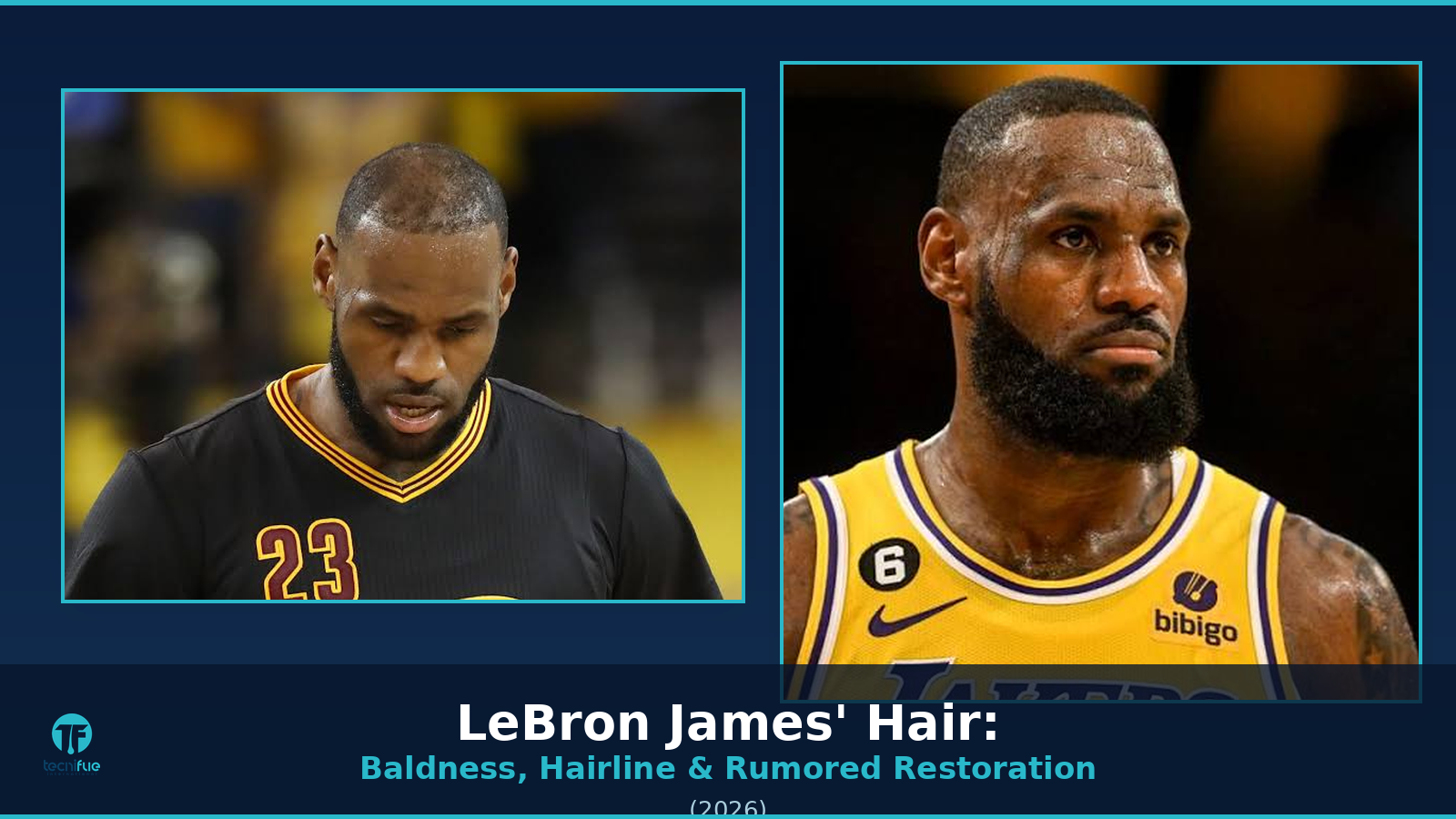
LeBron James’ baldness has followed a classic male pattern hair loss trajectory: a visibly receding hairline in his early 20s, aggressive thinning through his Miami years, an apparent restoration around 2014-2016, and by 2026 a mostly shaved or very short look. LeBron James has never confirmed having a hair transplant. However, visible changes in his hairline between 2013 and 2016 have fueled long-running speculation about a possible hair transplant or other hair restoration treatments.
Key Takeaways
- LeBron James showed early signs of a receding hairline by age 22-24, unusually young but consistent with genetic androgenetic alopecia.
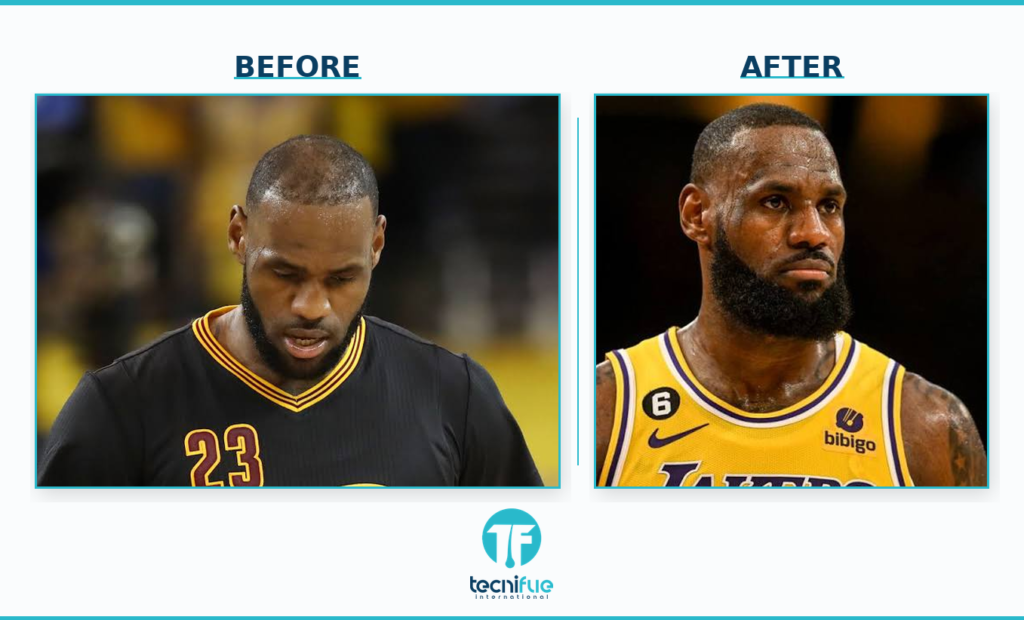
- His hairline visibly moved forward between 2013 and 2016, which most hair restoration specialists interpret as evidence of a transplant, medication, or both. He has never confirmed it.
- His famous headband era (roughly 2010-2015) coincided exactly with his fastest period of hair loss, fueling the theory that he used it as camouflage.
- Based on unedited photos before any rumored intervention, most analyses place LeBron between Norwood 3 and Norwood 4 at his worst point.
- In late 2024 and into 2025-2026, LeBron increasingly appeared with a fully shaved head, effectively ending the speculation cycle on his own terms.
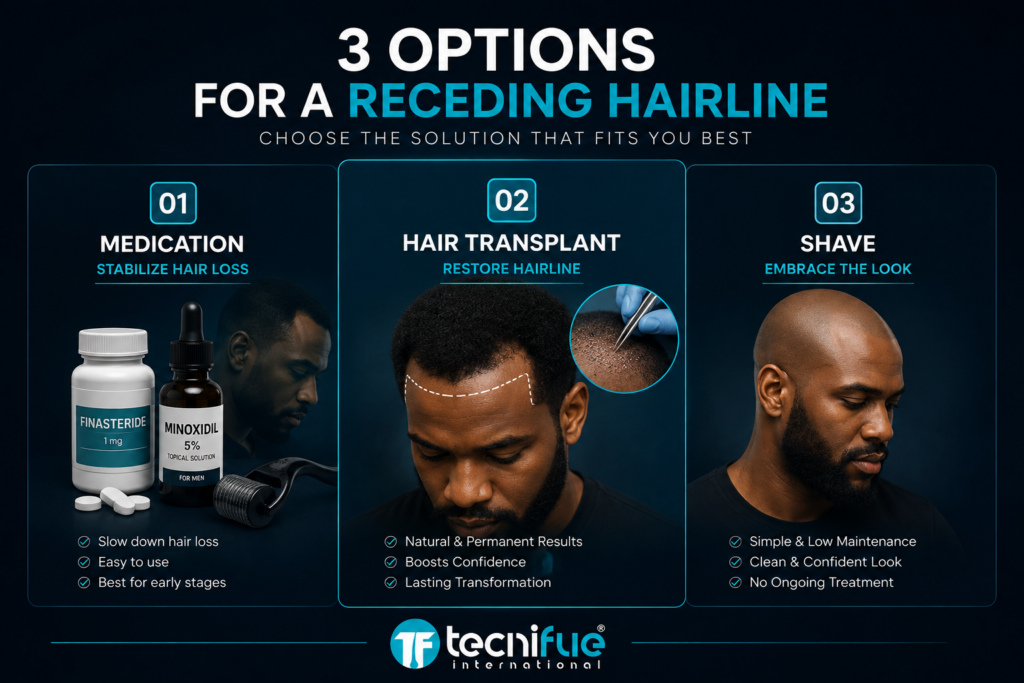
- Men with a similar pattern typically have 3 realistic options: medication (finasteride/minoxidil), FUE or DHI transplantation, or shaving it off. Each has different costs, timelines, and trade-offs.
Few celebrity hairlines have been analyzed as obsessively as LeBron James’. For over 15 years, fans, forums, and even sports broadcasters have tracked every millimeter of movement on his scalp. That is partly because LeBron James’ baldness played out in public, in HD, across more than two decades of NBA seasons. And partly because his story mirrors what millions of men experience privately: early recession, denial, camouflage, rumored intervention, and finally acceptance.
This guide walks through the full LeBron James hair loss timeline, weighs the transplant evidence honestly, estimates his Norwood stage, and explains what realistic options exist for men facing the same pattern in their 30s and 40s.
Has LeBron James’ Hairline Changed Over the Years?
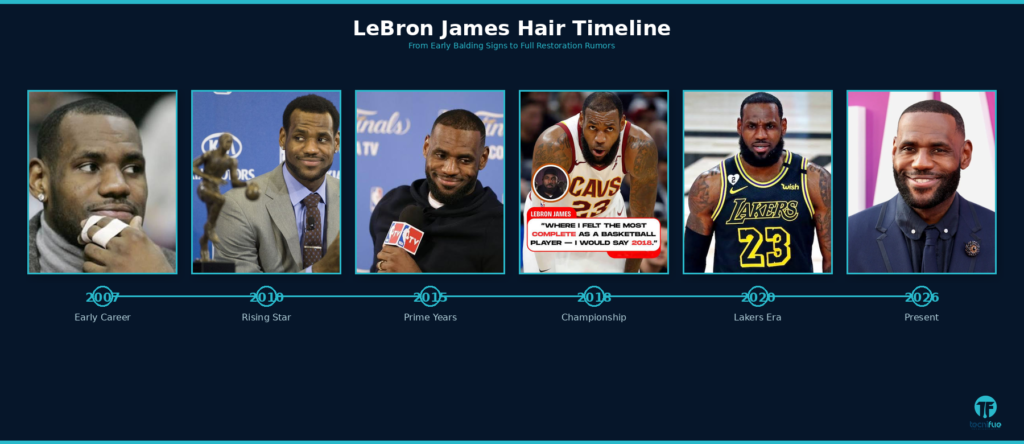
Yes, LeBron James’ hairline has changed dramatically over his career, and not in one direction. It receded steadily from roughly 2007 to 2013, appeared to partially recover between 2014 and 2016, thinned again in his late 30s, and by 2025-2026 he transitioned to a shaved or near-shaved head.
That non-linear pattern is exactly why his hair became such a talking point. Natural male pattern baldness only moves one way. When a hairline reverses course, people notice.
LeBron James Hair Loss Timeline (2003-2026)
| Period | Age | What His Hair Looked Like | Notable Signals |
| 2003-2006 | 18-21 | Full, dense hairline | Rookie-era photos show no visible recession |
| 2007-2009 | 22-24 | Early temple recession | Online discussion about possible recession begins |
| 2010-2013 | 25-28 | Clear frontal thinning | Peak headband era; hairline appears pushed back |
| 2014-2016 | 29-31 | Hairline appears fuller and lower | Headband use dropped; restoration rumors peak |
| 2017-2021 | 32-36 | Variable density, shorter cuts | Occasional thinning visible under arena lights |
| 2022-2024 | 37-39 | Progressive thinning returns | Fans document changes game to game |
| 2024-2026 | 39-41 | Shaved / bald look | LeBron debuts the clean-shaven head; widely praised |
The most debated window is 2014-2016. Side-by-side photos from the 2013 Finals versus the 2015 season show a hairline that appears to sit lower and denser. Skeptics point to lighting, haircuts, and hair fibers. But the difference appears consistent across many photos, angles, and lighting conditions, which weakens the “it’s just the camera” explanation.
One detail people often miss: his headband use faded at roughly the same time the hairline appeared to improve. Around that period, LeBron began playing without his signature headband, and never really went back to it full-time. If the hair had still been thinning, ditching the camouflage would have made no sense.
Did LeBron James Get a Hair Transplant? Before & After Evidence
There is no confirmed answer: LeBron James has never publicly admitted to a hair transplant, and no clinic has ever verified treating him. However, the photographic evidence, the timing of his headband retirement, and the temporary density gains between 2014 and 2016 lead most hair restoration professionals to consider some form of intervention plausible.
Here is how the evidence stacks up.
Points suggesting a transplant or treatment:
- The hairline appeared to move *forward* between 2013 and 2015. Untreated androgenetic alopecia does not reverse on its own.
- Density in the frontal zone appeared to improve while the crown stayed relatively stable, a pattern typical of frontal-focused restoration work.
- He appeared to abandon the headband around the time his hairline looked fuller, suggesting new confidence in the area he had been covering.
- The apparent change in his hairline became a widely discussed topic among fans and commentators.
Points against, or at least complicating, the transplant theory:
- He never disappeared for the 10-14 days of visible redness and scabbing that follow a transplant. Though with off-seasons lasting 3-4 months, he would not have needed to.
- Concealer fibers, scalp micropigmentation, and strategic styling can create convincing short-term density on camera.
- The gains did not fully hold. By his late 30s, thinning was visible again, which could indicate ongoing progression outpacing whatever was done.
The honest verdict: possibly some intervention, never confirmed. Whether that was a transplant, PRP, medication, concealers, or a mix, only LeBron and his team know. This ambiguity is common with celebrity cases; similar debates surround the Chris Evans hair transplant rumors, where photo timelines invite speculation but no confirmation ever comes.
Did LeBron Use Minoxidil or Finasteride?
There is no public record of LeBron using minoxidil, finasteride, or any specific hair loss medication. That said, temporary density improvements without a visibly redesigned hairline can be consistent with medical therapy. Minoxidil typically thickens existing miniaturized hairs within 4-6 months, and finasteride slows further loss in a majority of users. Neither medication, however, can lower a hairline that has already receded, which is why the 2014-2016 photos keep the transplant theory alive.
Why Do NBA Athletes Lose Hair?
NBA players lose hair for the same primary reason as everyone else: genetics. Androgenetic alopecia, driven by sensitivity to the hormone DHT, accounts for the vast majority of male hair loss, and a notable share of men with hereditary baldness see the first signs at a relatively young age. Being a world-class athlete offers no protection.
But several factors in professional sports can accelerate or expose the process:
1. Genetics and DHT sensitivity. The foundation of nearly all pattern baldness. If it runs in the family, elite fitness changes nothing.
2. Chronic physical and psychological stress. An 82-game season, playoff pressure, travel, and disrupted sleep can trigger telogen effluvium, a temporary shedding that compounds genetic loss.
3. Constant HD scrutiny. Athletes do not necessarily lose more hair; we simply see it more, under arena lighting, in 4K, from every angle. A hairline that would go unnoticed in an office is dissected frame by frame on television.
4. Friction and traction (the headband question). Years of tight headbands likely did not cause LeBron’s hair loss, but constant friction and traction can aggravate an already thinning frontal zone. Dermatologists generally treat headbands as a minor contributing factor at most, not a root cause.
LeBron is far from alone among receding hairline athletes. NBA players’ hair loss stories span generations: Michael Jordan famously shaved and turned the bald head into a brand, Charles Barkley followed, and more recently players like Kevin Love have spoken openly about hair anxiety. In football, cases like the Harry Kane hair transplant discussion show the same pattern of public timelines and speculation crossing sports.
The takeaway from two decades of watching this play out: elite athletes face the same three choices as everyone else. Treat it, restore it, or shave it. LeBron appears to have tried all three, in that order.
Estimating LeBron’s Norwood Stage
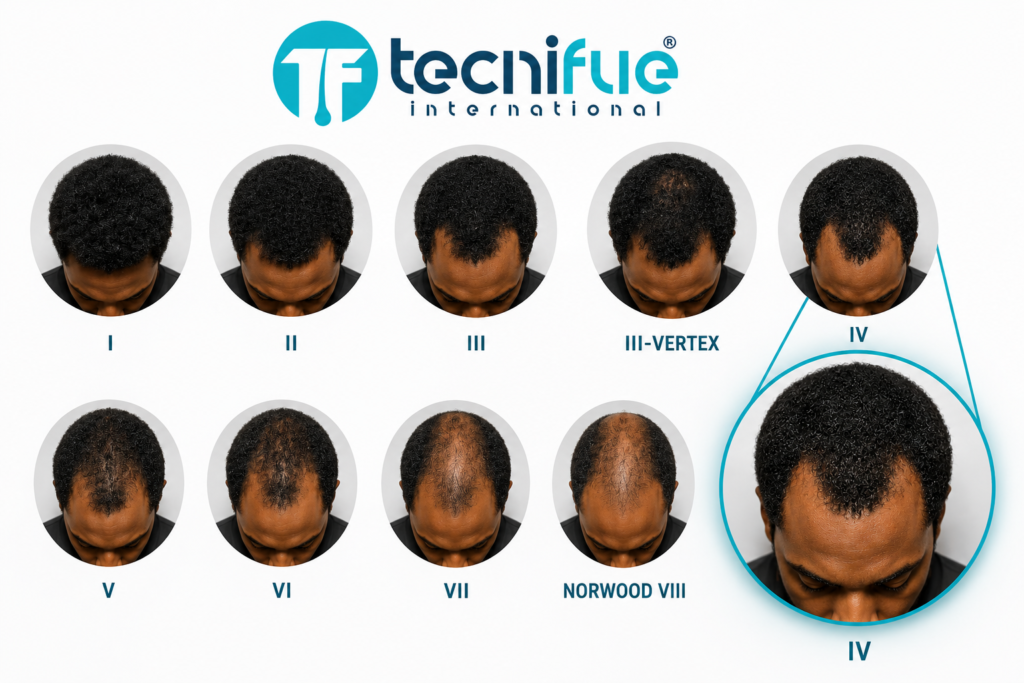
At his most visibly thinned point around 2013, LeBron James most likely sat between Norwood 3 and Norwood 4: deep temple recession, a receding frontal hairline, and early diffuse thinning behind it, but with the crown largely intact and no bald spot connecting front to back.
The Norwood scale is the standard classification system for male pattern baldness, running from stage 1 (no visible loss) to stage 7 (only a horseshoe of hair remaining).
Why Norwood 3-4 and not worse:
- His temporal recession was pronounced but the mid-scalp still held meaningful density in 2012-2013 footage.
- Crown photos from that era show thinning, not baldness.
- A true Norwood 5+ pattern would have been much harder to disguise with a headband and styling.
This matters for anyone comparing themselves to him. A Norwood 3-4 pattern is one of the most common presentations at hair restoration clinics worldwide, and it is also one of the most treatable, because the donor area at the back and sides typically remains strong. Even men at Norwood 5, a frequent worry for patients in their 40s, routinely achieve significant coverage when donor supply is healthy; the question is realistic density expectations, not eligibility.
What Options Would Someone Like Him Have?
A man with LeBron’s pattern (Norwood 3-4, strong donor area, thinning that started in his 20s) generally has 3 realistic paths in 2026: medication, transplantation, or acceptance. Most good outcomes combine at least two of them.
Option 1: Medication First
Finasteride and minoxidil remain the two most evidence-backed medical treatments. Finasteride typically stops or slows further loss in the majority of users, and minoxidil can thicken miniaturized hairs within 4-6 months. Neither restores a hairline that has already receded, and both require ongoing use under the guidance of a prescribing physician. For men in their 20s and early 30s, medication often buys years before surgery becomes the logical step; some patients also explore transplant results without finasteride when long-term medication is not an option.
Option 2: Hair Transplantation (FUE, Sapphire FUE, DHI)
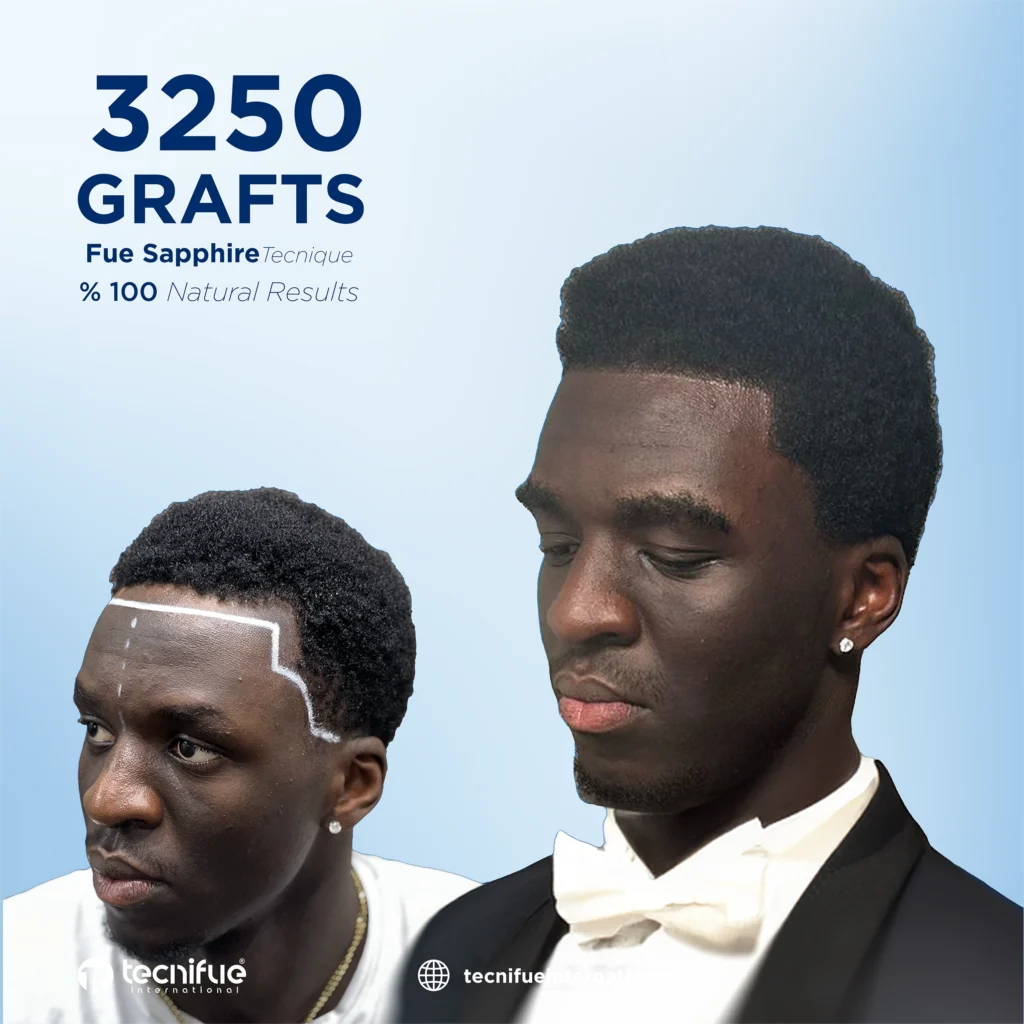
Transplantation is the only method that permanently relocates DHT-resistant hair to a receded hairline. Modern techniques differ mainly in how grafts are implanted:
| Method | How It Works | Best Suited For |
| FUE | Grafts extracted individually, implanted into pre-made channels | Most patterns; large sessions |
| Sapphire FUE | Channels opened with sapphire blades for finer, denser placement | Hairline design, natural density |
| DHI | Grafts implanted directly with a pen device, no prior channels | Unshaven areas, precise angle control |
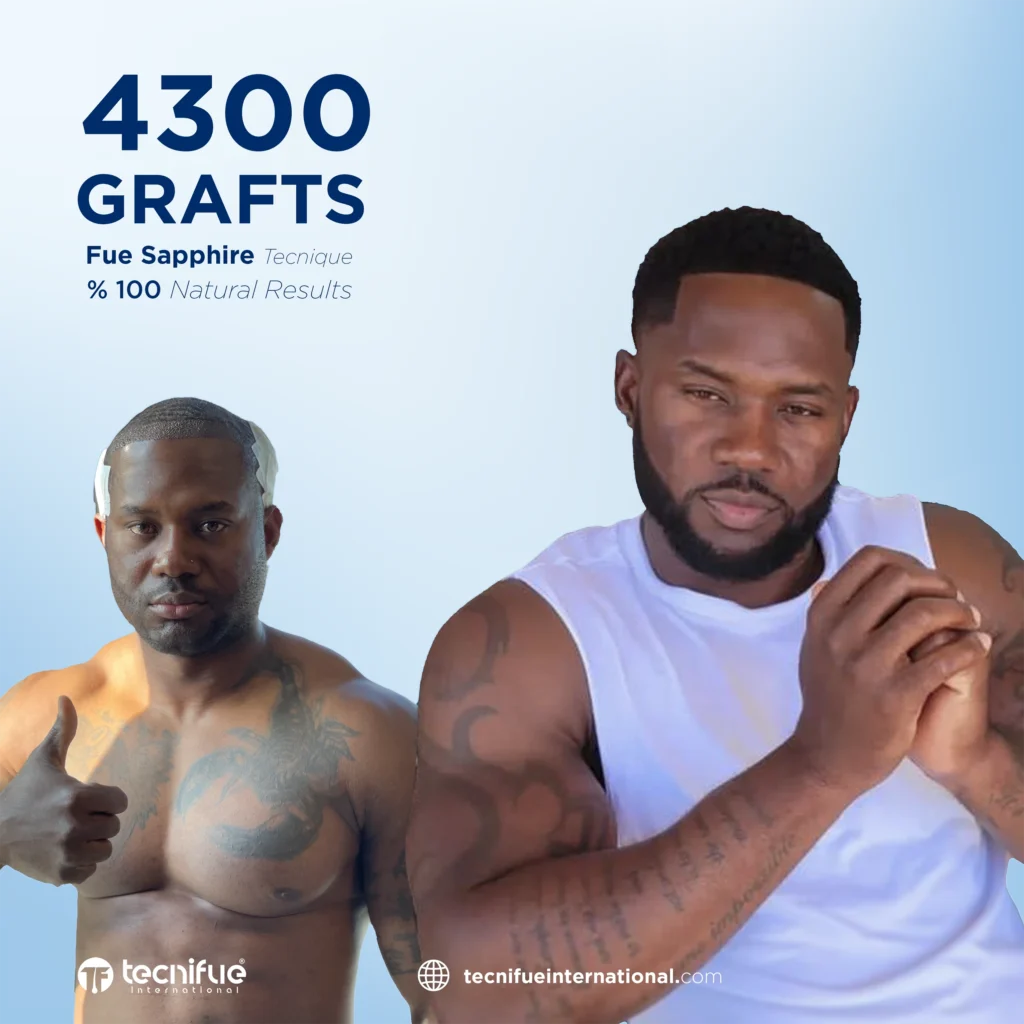
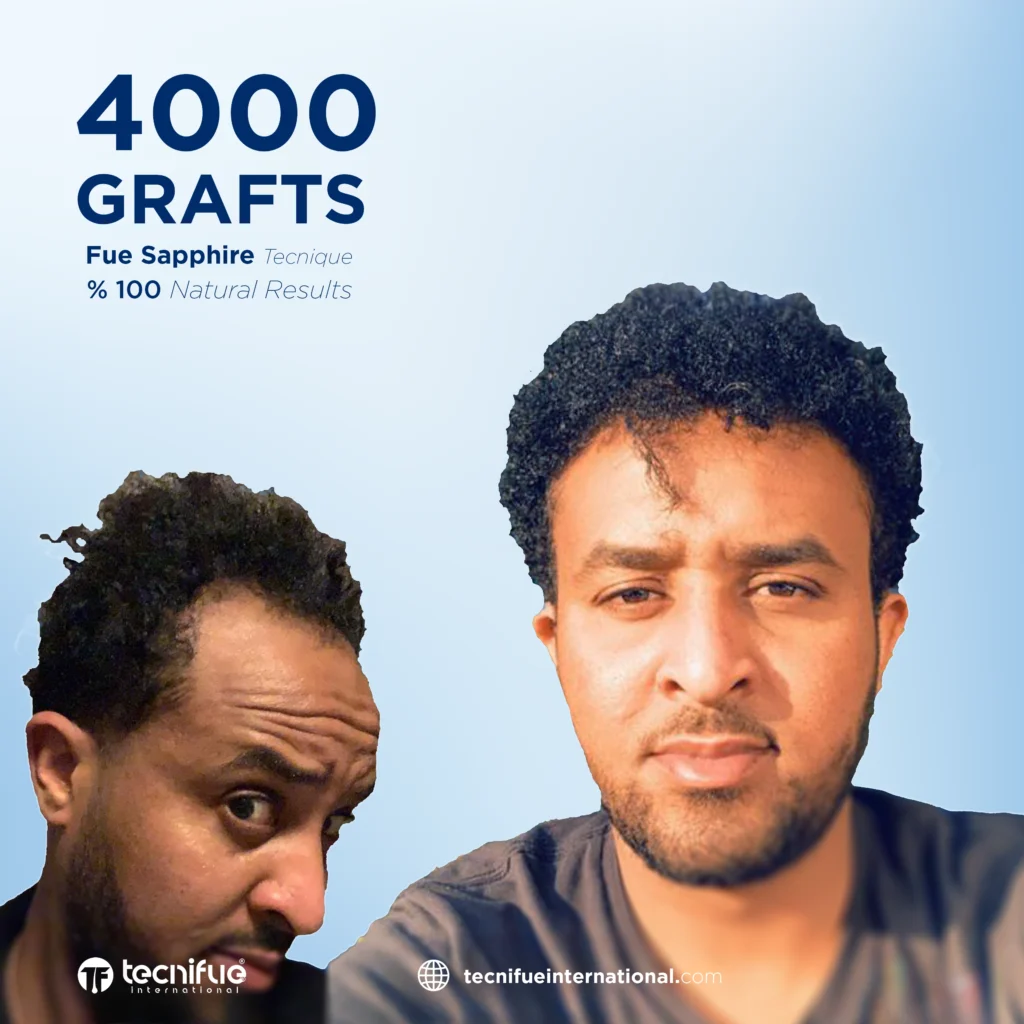
The number of grafts required varies with the individual pattern and is best determined during a clinical consultation. Costs also vary considerably by country and clinic; procedures performed in destinations such as Turkey are often priced lower than in some Western markets, which is one reason many international patients research clinics there. Clinics such as Tecnifue International in Istanbul publish detailed protocols on surgeon involvement and graft planning precisely because international patients (rightly) ask who actually performs the surgery.
Two practical points that matter more than the price tag:
- Downtime is shorter than most professionals fear. Redness and scabbing dominate the first 7-10 days; many patients fly home within 2-3 days and return to desk work within a week. A detailed FUE recovery guide breaks down the day-by-day stages.
- Judging results takes patience. Transplanted hairs shed around weeks 2-6, regrow from month 3-4, and reach mature density at 12-18 months. Reviewing hair transplant results expectations before booking prevents the month-4 panic almost every patient experiences.
Anyone worried about a “detectable” result should focus less on the method name and more on the hairline design. An age-appropriate, slightly irregular hairline with correct angles is what separates natural work from the pluggy look people fear. Verified before-and-after cases at a similar age and Norwood stage are the single best predictor.
Option 3: The LeBron 2026 Move, Shave It
Sometimes the strongest play is acceptance. When LeBron debuted the fully bald look, the public reaction was overwhelmingly positive, and the long-running hairline conversation quieted down. Shaving costs nothing, requires no maintenance beyond a razor, and works especially well for men with strong facial structure and the confidence to carry it.
The honest trade-off: it is a permanent style commitment while hair loss continues underneath, and not every man wants it. There is no wrong answer here, only the option that fits your face, age, career, and tolerance for maintenance.
What LeBron’s Hair Journey Teaches Regular Men
The most useful lesson from LeBron’s two-decade hair saga is that timing beats everything. He (apparently) intervened around age 29-30, while his donor area and remaining density still offered plenty to work with, then transitioned to shaving on his own schedule around 40, not because he ran out of options.
For a 40-something professional watching his own hairline in the mirror, the sequence looks like this:
1. Get a proper diagnosis first. Norwood staging, donor assessment, and a dermatology check take one consultation and eliminate guesswork.
2. Stabilize before you restore. Surgery on actively progressing, unmedicated loss often means chasing the recession with more procedures later.
3. Compare like-for-like when researching clinics. Surgeon involvement, graft-per-price transparency, and verified cases at your Norwood stage matter far more than the headline price, whether you are looking in the US or evaluating a hair transplant in Turkey.
4. Decide what “done” looks like. A restored hairline, a maintained status quo, or a clean shave are all legitimate endpoints. LeBron used all three across 20 years.
FAQ
Why is Gen Z balding so fast?
Gen Z is not necessarily balding faster than previous generations; they are documenting and discussing it earlier. Contributing factors researchers commonly cite include chronic stress, poor sleep, restrictive diets, and earlier awareness driven by high-resolution selfies and social media. The genetic mechanism is unchanged, but detection and anxiety now start years sooner.
Was LeBron’s headband really hiding his hairline?
That is the dominant theory, and the timing supports it. His headband use peaked during his fastest hair loss years, and he stopped wearing it regularly around the same period his hairline appeared fuller. LeBron himself has joked about the headband but never explicitly confirmed it was camouflage.
Can a hair transplant look natural on a Black man’s hairline?
Yes, but it requires a surgeon experienced with Afro-textured hair. Curved follicles demand adjusted extraction angles to avoid graft damage, and the flatter, straighter hairline typical of many Black men needs a different design approach than a Caucasian hairline. Reviewing a clinic’s ethnicity-matched before-and-after cases is essential.
Does a hair transplant stop future native hair loss?
No. A transplant relocates permanent, DHT-resistant hair but does not stop surrounding native hair from continuing to thin. If underlying loss progresses faster than maintenance treatment can hold it, density gaps can reappear over the following years, which is why ongoing medical management is often recommended alongside surgery.