


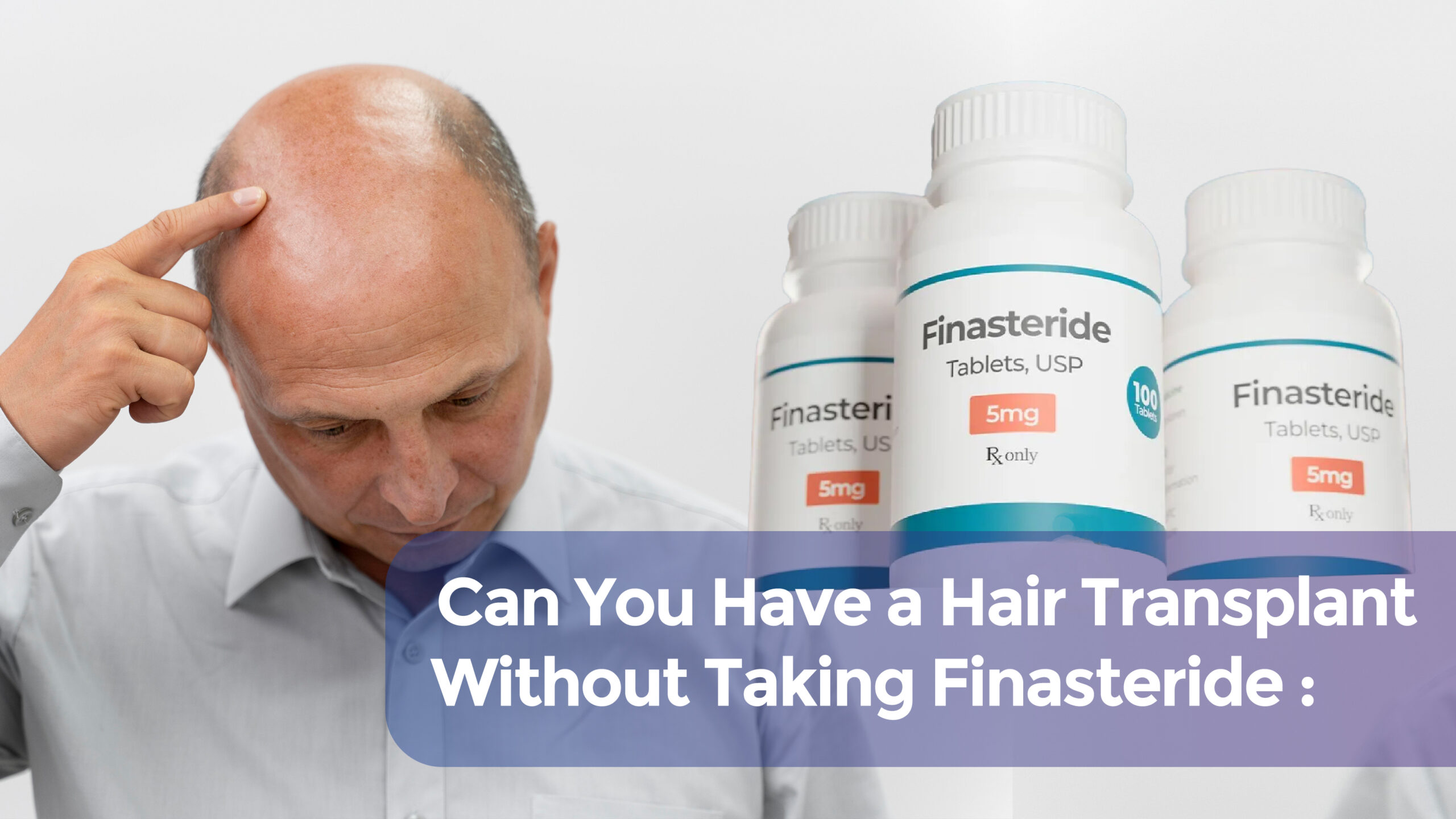
Yes, a hair transplant without finasteride works and delivers permanent results, because transplanted follicles come from a DHT-resistant zone and grow whether or not you take medication. The only real trade-off is that untreated native hair may keep thinning, so long-term planning matters more than any pill.
Key Takeaways
- Transplanted grafts are permanent with or without the medication.
- Skipping the drug means untreated native hair can continue to thin over time.
- A conservative or mature hairline design ages well if natural thinning continues.
- Topical minoxidil and PRP offer non-hormonal support, but work differently than a DHT blocker.
- A future touch-up procedure may be needed to keep pace with native hair loss.
Quick Answer: Can You Have a Hair Transplant Without Finasteride?
You can absolutely have a hair transplant without finasteride, and many patients choose exactly this route. The drug protects existing native hair by lowering DHT; it does nothing for the transplanted grafts themselves.
Why transplanted grafts survive without medication
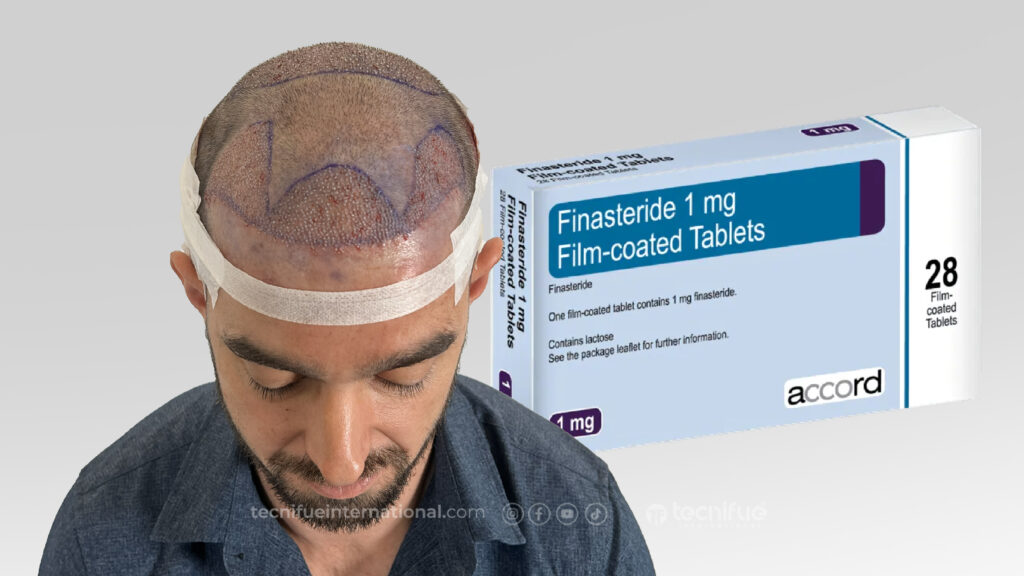
Transplanted grafts survive without medication because they are harvested from the DHT-resistant donor zone at the back and sides of the scalp. These follicles keep their genetic resistance after relocation, so they grow permanently in their new position.
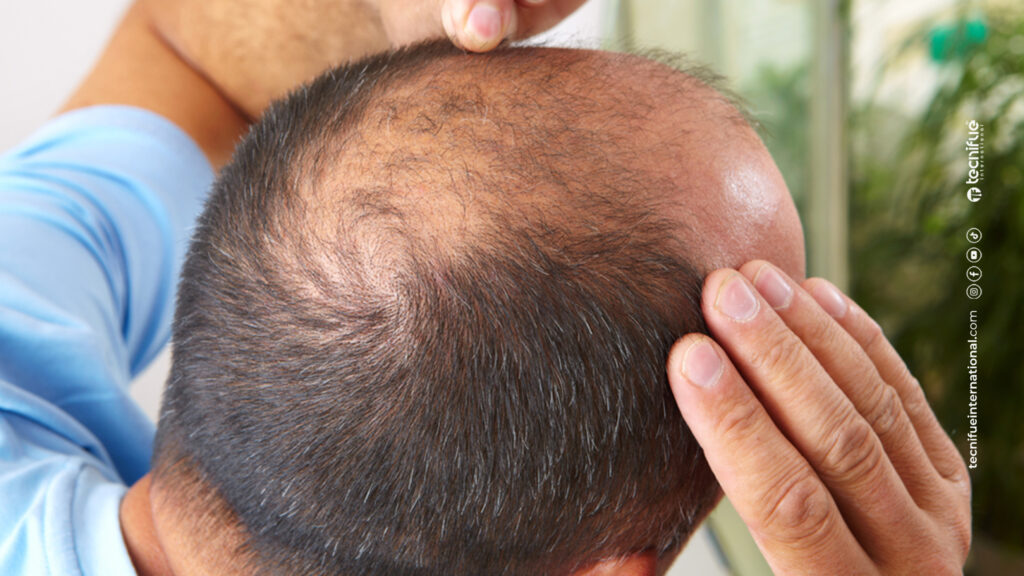
DHT (dihydrotestosterone) is the hormone that shrinks genetically sensitive follicles and drives androgenetic alopecia; the medication slows loss by reducing it.
What changes if you skip the medication
Skipping the medication changes one thing: your native, non-transplanted hair loses that DHT protection and may thin gradually. The grafts stay put, but surrounding coverage can fade, which is why the design has to anticipate future loss.
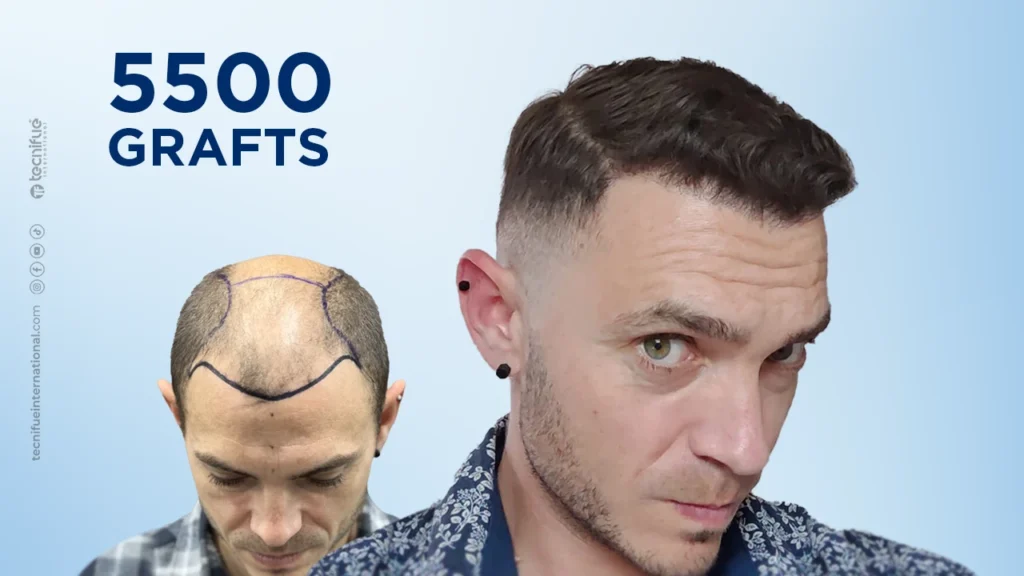
Does a Hair Transplant Work Without Finasteride?
A hair transplant works drug-free whenever the donor area is strong and graft placement is precise. Donor quality, surgical skill, and forward planning decide the outcome far more than medication does.
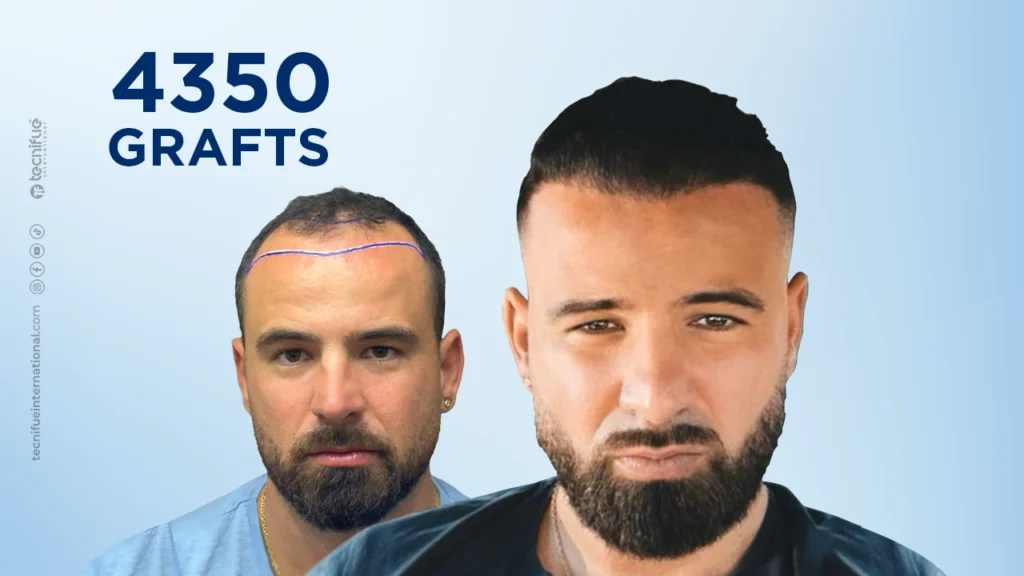
The DHT-resistant donor zone explained
The donor zone is the permanent band of hair at the back and sides, which is naturally resistant to DHT. Because grafts taken from here carry that resistance with them, they thrive in thinning areas without any drug support.
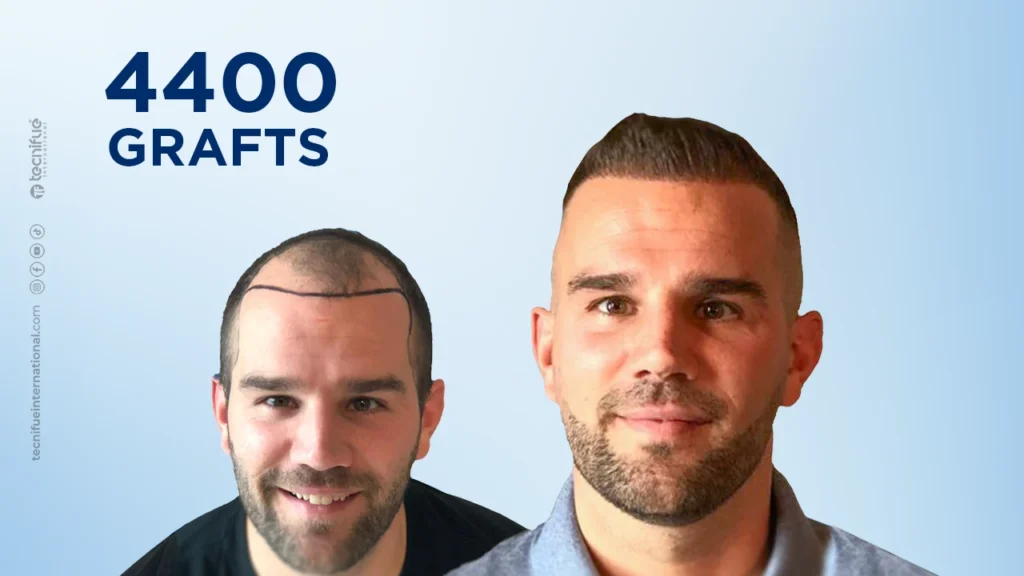
Permanence of transplanted vs. native hair
Transplanted hair is permanent, while native hair around it can still be affected by genetics. This distinction is the core reason a medication-free plan focuses on where grafts are placed, not just how many.
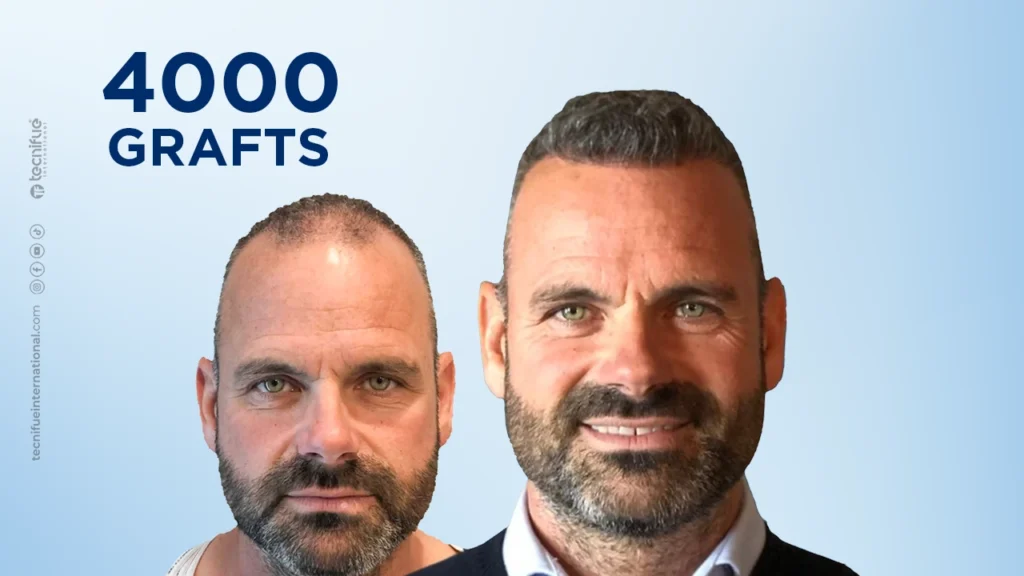
Hair Transplant Without Finasteride: Results & Reddit Experiences
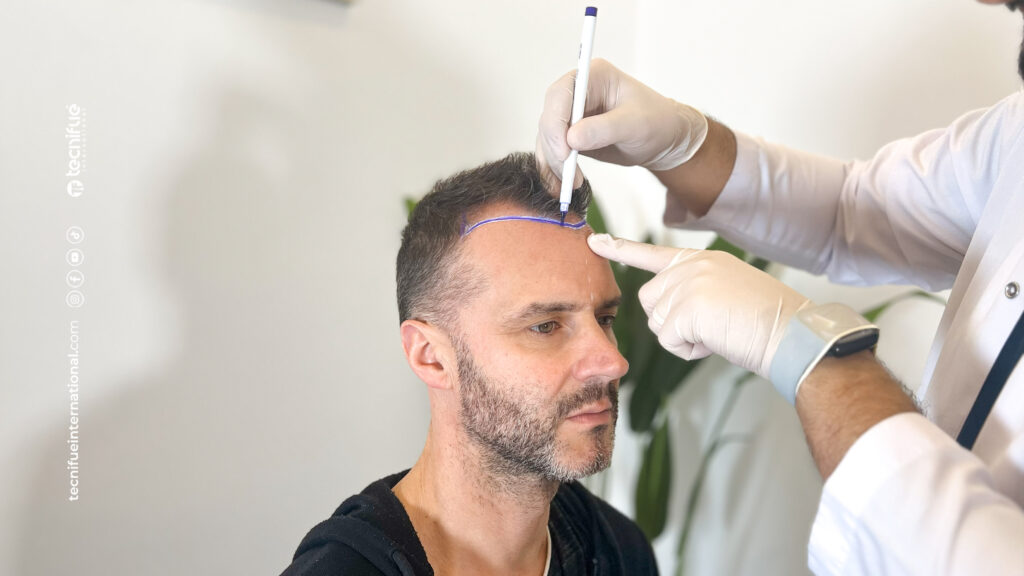
Real-world results, including many shared on Reddit, show that this drug-free approach can look natural and hold for years. Forum success stories are encouraging, but they rarely mention that outcomes depend on donor strength and honest expectations. You can compare realistic outcomes in our hair transplant results documentation.
What real long-term (5-10 year) outcomes look like
Over 5 to 10 years, grafted hair stays in place while native hair may slowly recede in patients with progressive genetics. Coverage remains solid when the hairline was designed conservatively from the start.
Hair transplant after 10 years without the medication
After 10 years without the medication, the transplanted zone still holds, but thinning behind it can become visible in some men. This is expected, not a failure, and is usually managed with a small planned refinement.
Can I Get a Hair Transplant Without Finasteride or Minoxidil?
Yes, you can get the procedure without either drug, since neither is required for grafts to grow. Going fully medication-free simply asks for more conservative planning and ongoing monitoring.
Medication-free candidates
Medication-free candidates typically have stable, early, or genetically limited hair loss and a robust donor area. In these cases grafts blend seamlessly and future thinning is minimal.
Topical minoxidil and other alternatives to DHT blockers
Topical minoxidil is the most common alternative; it extends the hair growth phase but works differently than a DHT blocker and does not lower hormones. PRP hair treatment, low-level laser therapy, and better nutrition can further support scalp health without medication.
Who Is a Good Candidate for a Transplant Without the Medication?
You are a good candidate for a drug-free transplant if your loss is stable, your donor area is strong, and you accept the possibility of gradual native thinning. Pattern hair loss is progressive and hereditary, a point emphasized in dermatology guidance from bodies such as the NHS, so honest planning is essential.
Conservative and mature hairline design
A conservative or slightly mature hairline holds up well even if natural thinning continues. Placing grafts in the frame-of-the-face zones keeps the result balanced for decades.
When a future touch-up may be needed
A future touch-up may be needed if native hair behind the transplant keeps receding. This is a small, planned procedure, not a sign the first one failed.
Clinical note: In practice, the patients happiest without medication are those who chose a realistic hairline early and stayed on regular follow-ups.
How TecniFUE International Personalizes a Medication-Free Plan
TecniFUE International personalizes every treatment plan, so the medication is included only when it genuinely benefits you. Planning centers on donor mapping, responsible graft density, and non-hormonal alternatives when appropriate.
Each plan accounts for how hair loss may evolve, protects visually important zones first, and keeps expectations transparent so results stay natural and sustainable. Learn more about our Hair Transplant Turkey services.
Frequently Asked Questions
Do you have to take finasteride after a hair transplant?
No. It is a supportive option, never a requirement for transplant success.
Can you have a successful hair transplant without finasteride?
Yes. Transplanted grafts come from the DHT-resistant donor zone, so they grow permanently regardless of whether you take the drug.
Can I skip finasteride after a hair transplant?
You can. Skipping it will not affect the grafts, but your untreated native hair may continue to thin, so conservative planning matters.
Does a hair transplant work without finasteride or minoxidil?
Yes. Neither drug is required for grafts to survive; a strong donor area and precise placement drive the result, though medication-free plans need more conservative design.
Will my native hair keep thinning if I don’t take the medication?
Possibly. Untreated native hair follows your genetics and may thin gradually over the years.
How did Elon Musk treat his baldness?
Elon Musk has never publicly detailed any treatment. His visible hairline improvement is widely attributed to a hair transplant rather than confirmed medication use.
Will I need a second procedure later if I skip the medication?
You might. A small future touch-up can offset ongoing native hair loss and keep coverage even.
April 13, 2026…
David Altay