

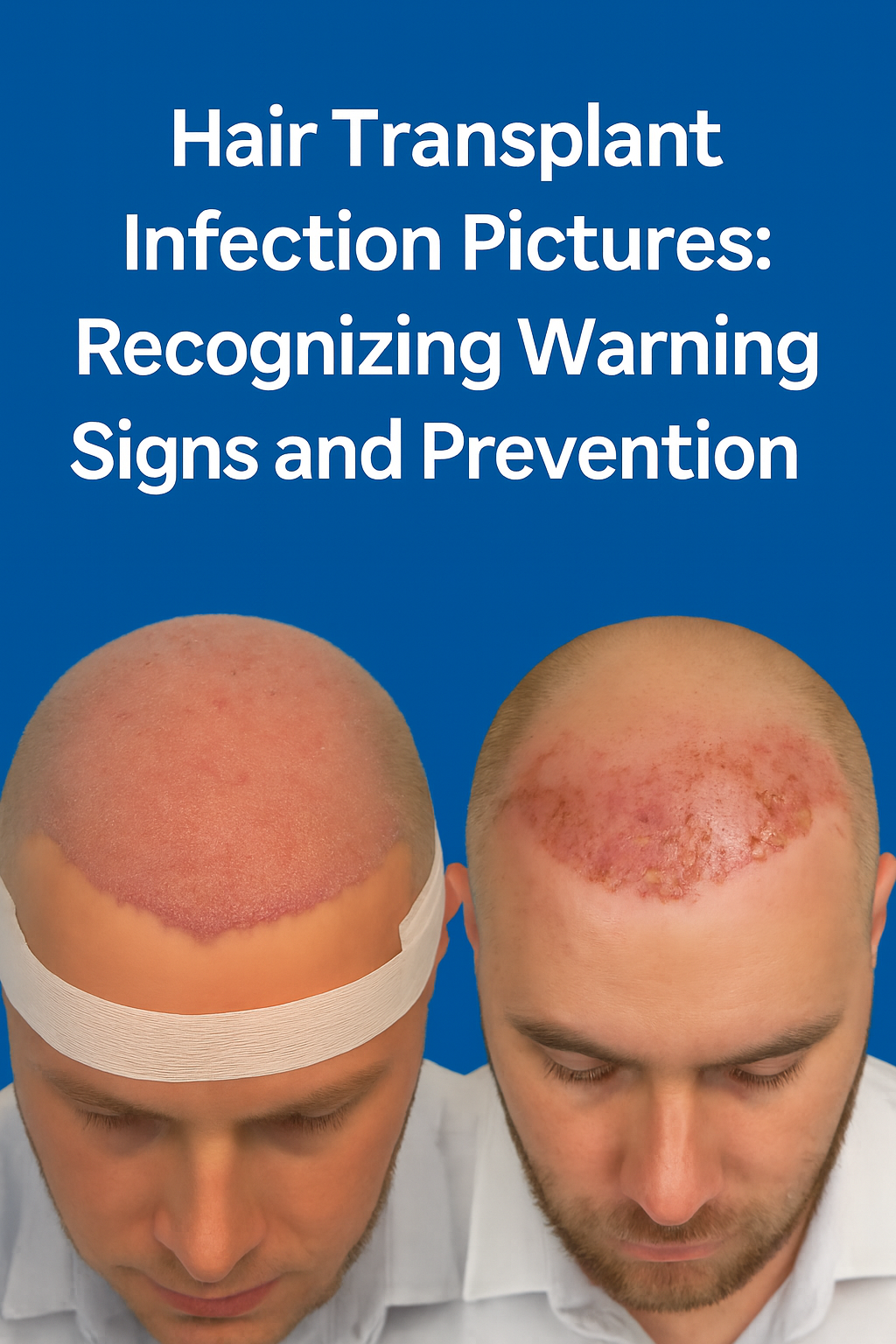

Hair transplant infection pictures show visible signs such as redness, pus, swelling, and unusual scabbing. If identified early, infections are easy to treat and choosing a safe, reputable clinic dramatically reduces the risk.
Hair transplants can restore confidence and appearance, but like any medical procedure, complications can occur without proper care. Hair transplant infection pictures are one of the best ways to understand early warning signs and protect your scalp during recovery.
This guide explains what infection looks like, what causes it, how to prevent it, and why choosing an experienced clinic matters.
What Do Hair Transplant Infection Pictures Show?
Hair transplant infection pictures clearly show symptoms that differ from normal healing. You may notice:
- Bright red or inflamed patches
- Thick, yellow, or green discharge (pus)
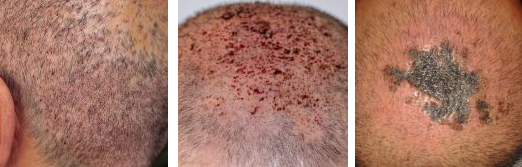
- Scabs that look crusty, dark, or unusually raised
- Swelling spreading beyond the treated area
- Shine or unusual moisture around grafts
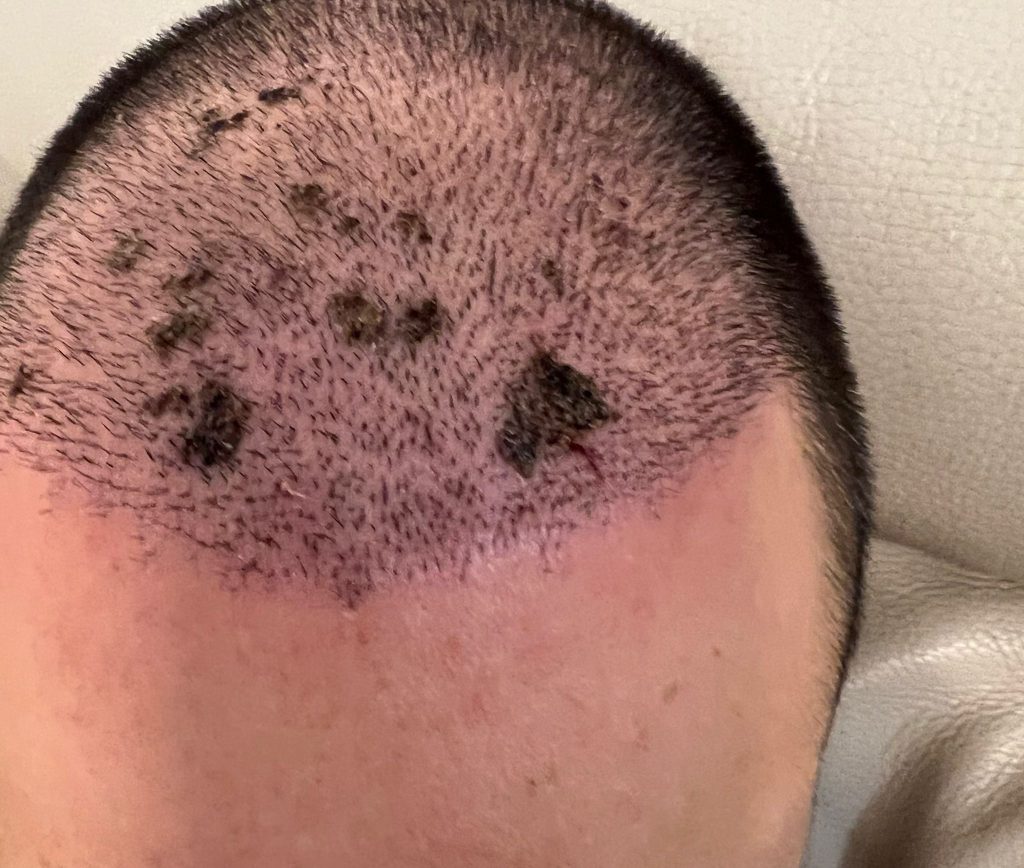
Table: Normal Healing vs Infection
| Healing Sign | Normal | Infection Warning |
| Redness | Mild, fades in days | Bright red, increasing |
| Swelling | Slight swelling | Painful, spreading swelling |
| Scabs | Light, dry, fall off | Thick, wet, discolored |
| Discharge | Clear lymph fluid | Yellow or green pus |
| Pain | Mild tenderness | Sharp or increasing pain |
If your symptoms look closer to the infection column, contact your doctor immediately.
Symptoms to Watch for Beyond Pictures
While hair transplant infection pictures help identify visible issues, internal symptoms also matter.
These include:
- Fever – the body fighting bacteria
- Sharp or persistent pain – worsening instead of improving
- Burning or itching – stronger than normal post-op irritation
- Heat in the scalp – warm skin can signal inflammation
If you feel unwell or your pain increases instead of improving, you may be developing an infection.
Causes of Infections After Hair Transplants
According to the National Institutes of Health (NIH), infections after hair restoration surgery are uncommon but typically linked to avoidable factors.
Source: https://www.ncbi.nlm.nih.gov/books/NBK547734/
Most common causes include:
- Poor hygiene or touching the scalp with unwashed hands
- Sweating excessively, especially during exercise
- Unsterile surgical tools (in low-grade clinics)
- Ignoring aftercare instructions
- Using harsh chemicals or hair products too early
This highlights how important it is to choose a reputable, medically safe clinic.
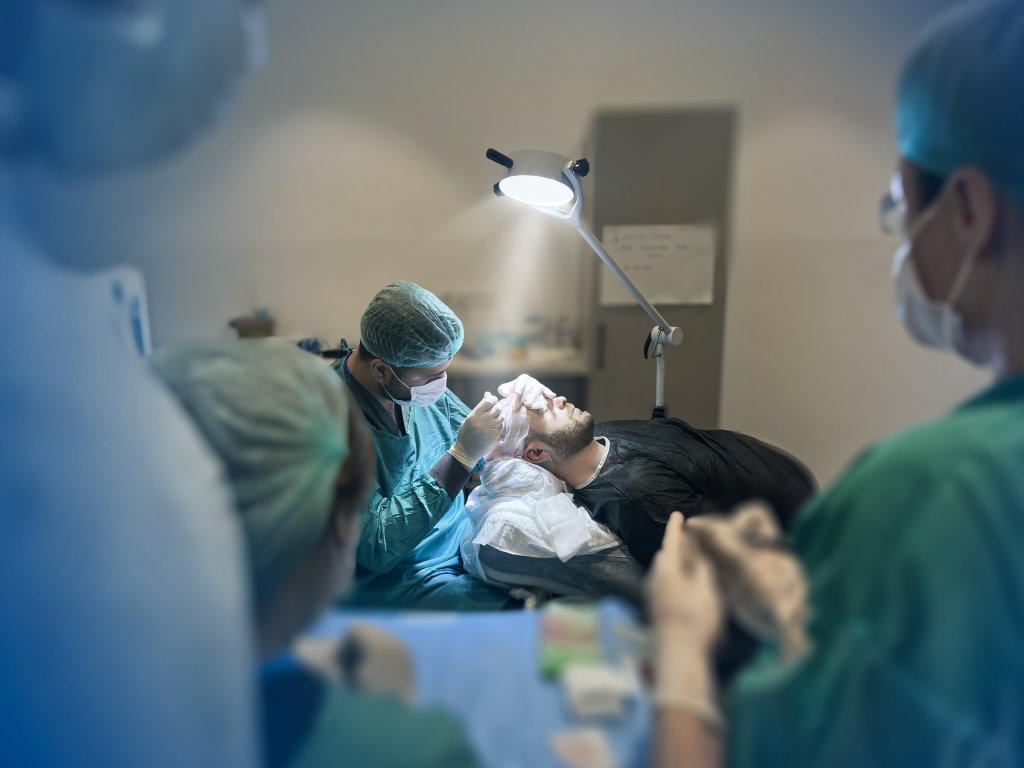
Tips to Prevent Hair Transplant Infections
Preventing infection is easier than treating one. Follow these essential steps:
Choose a Trusted Clinic
Choose a clinic known for hygiene, experience, and high safety protocols.
Reputable centers like TecniFUE International use medical grade sterilization and trained surgical teams.
Learn more about treatment safety here:
https://tecnifueinternational.com/is-a-hair-transplant-in-turkey-safe/
Follow Aftercare Instructions Carefully
Your surgeon will guide you on how to protect the grafts:
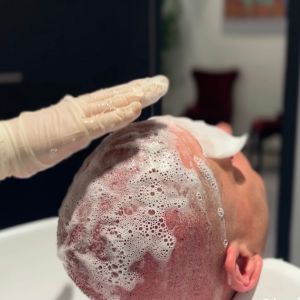
- Use only prescribed shampoo
- Avoid chemicals, sprays, or gels
- Rinse gently with low water pressure
- Wear a loose hat, not a tight cap
- Keep your scalp clean and dry
Improper washing is one of the biggest causes of infection.
Avoid Touching the Scalp
Even clean hands carry bacteria.
Avoid scratching, rubbing, or picking scabs — this increases infection risk and may damage grafts.
Control Sweat & Heat Exposure
Avoid activities that cause sweating during the first 10–14 days. Sweat creates moisture where bacteria thrive.
Stay Hydrated & Eat Well
Healthy nutrition supports your immune system and speeds recovery.
- Protein helps tissue repair
- Water keeps the scalp hydrated
- Vitamins A, C, E support healing
Why Choosing a Good Clinic AND Hair Transplant Infection Pictures Matter
High-quality clinics ensure:
- Sterile equipment
- Experienced surgeons
- Clean operating rooms
- Antibiotic protocols
- Follow-up support
- Consistent monitoring
This dramatically reduces your risk of infection.
Learn more about hair transplant Turkey:
https://tecnifueinternational.com
Understanding Healing Variations Through Hair Transplant Infection Pictures
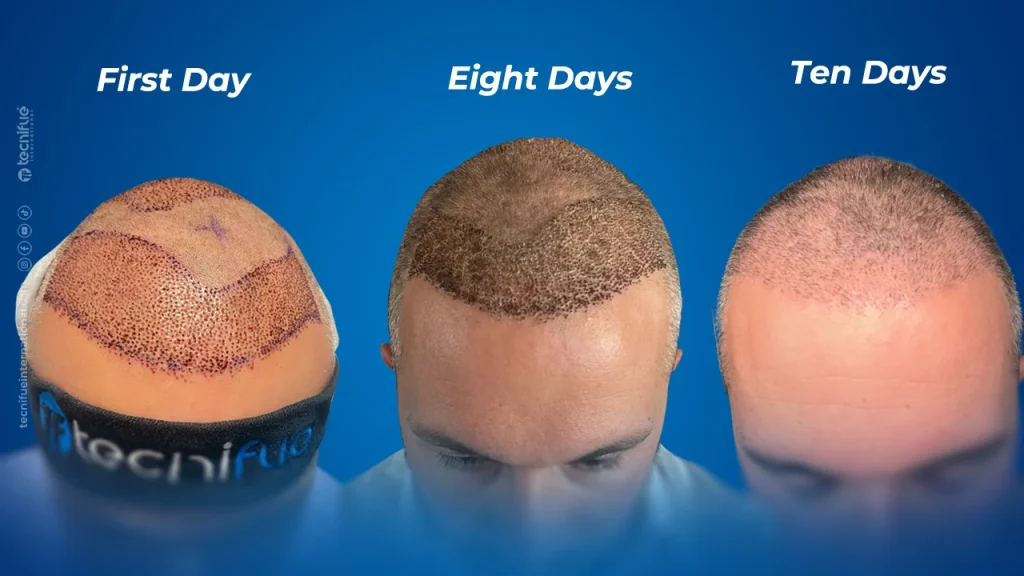
Many patients underestimate how varied the healing journey can be, which is why examining multiple hair transplant infection pictures from different stages is so important. These images help you understand what is normal versus what may indicate trouble. For example, some people experience slightly prolonged redness or softer scabbing depending on their skin type, medication, or healing speed. When you compare your own progress to verified hair transplant infection pictures, you gain a visual baseline that prevents unnecessary worry. At the same time, recognizing early abnormalities helps you act quickly, avoiding complications that could damage graft survival. This is especially important during the first 10–14 days, when the grafts are fragile and the scalp is more susceptible to environmental bacteria. Patients who proactively monitor their scalp often notice that early intervention—based on what they learn from hair transplant infection pictures—leads to faster healing and better long-term density. In fact, many clinics encourage patients to send their own photos daily for remote follow-up because visual monitoring is one of the best ways to track recovery. Whether you’re healing faster than average or taking a bit longer, using hair transplant infection pictures as a trusted reference is one of the smartest ways to manage expectations and protect your results.
The Importance of Choosing Reliable Clinics and Using Hair Transplant Infection Pictures for Education
Choosing a safe clinic goes hand in hand with knowing how to evaluate your scalp properly, which is why education using hair transplant infection pictures is essential. High-quality clinics provide sterilized environments, trained surgical teams, and strict infection-control standards—giving patients a much lower chance of complications. Less reliable or lower-cost clinics, especially those operating without medical oversight, often lack hygiene protocols, leaving patients at greater risk of contamination during surgery. To avoid this, reputable clinics often share verified hair transplant infection pictures showing uncommon complications so patients understand what to avoid and what immediate post-op care should look like. These images act as a training tool, helping patients identify signs such as unusual discoloration, fluid buildup, or spreading redness that may require medical attention. This is why research matters: choosing a clinic that prioritizes patient education, proper aftercare, and transparency increases your safety dramatically. Many patients only realize the importance of this after seeing case studies or hair transplant infection pictures that reveal preventable issues caused by poor hygiene or neglected aftercare. When you combine visual education with strong clinical support, your risk of infection drops significantly, and your overall hair growth results improve. Ultimately, using these pictures as part of your recovery toolkit empowers you to catch problems early, heal confidently, and achieve the natural-looking density you’re aiming for.
FAQ About Hair Transplant Infection Pictures
Are infections after hair transplants common?
They are rare when choosing a certified, experienced clinic.
When should I worry about redness?
If redness worsens instead of improving, check hair transplant infection pictures online and contact your doctor.
Can an infection ruin my transplant?
If untreated, yes — grafts can be damaged. Early treatment prevents long-term issues.
Do antibiotics solve transplant infections?
Yes, when prescribed early by a doctor.
Can I exercise after my procedure?
Avoid exercise for at least 10–14 days to prevent sweat-related infection.
Final Thoughts
Hair transplant infection pictures are powerful tools to help you identify early warning signs. By knowing what to watch for and choosing a clinic that values safety you can avoid complications and enjoy a smooth recovery.