


Hair transplant back of head procedures rely on one critical element: the quality and stability of the donor area. The back of the head, often referred to as the “safe donor zone,” provides hair follicles that are genetically resistant to hair loss. This resistance is what makes long-term, natural-looking results possible.
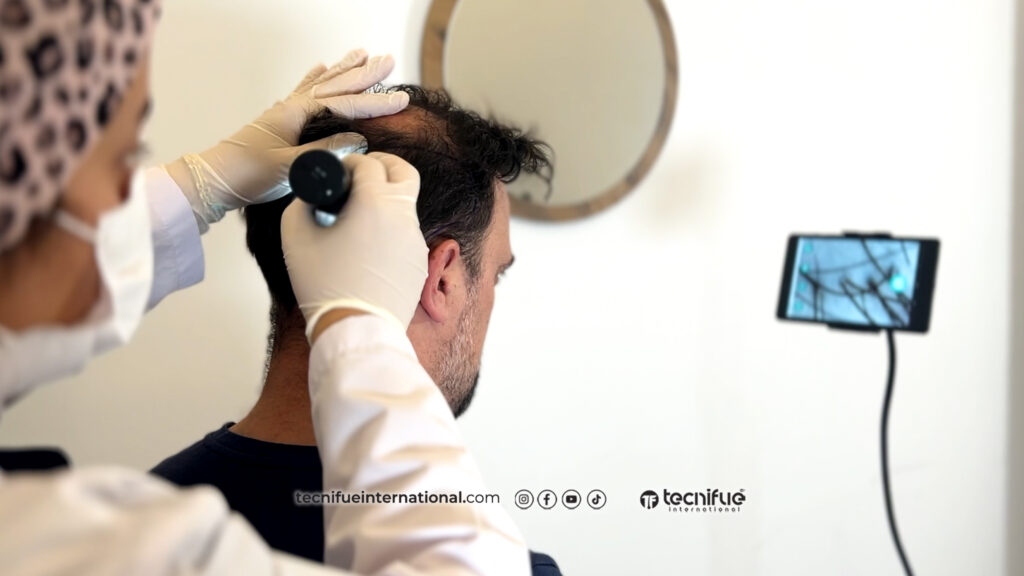
Understanding how the donor area works is essential before undergoing surgery. A successful hair restoration procedure does not depend only on implantation technique it begins with proper donor assessment and responsible graft extraction.
Hair Transplant Back of Head: Why the Donor Area Is the Best Source
Hair transplant back of head techniques focus on the occipital region because this area maintains strong, dense follicles even in advanced stages of male pattern baldness.
The reasons this area is ideal include:
- Genetic resistance to DHT
- Stable long-term growth patterns
- Consistent density
- Natural texture compatibility
Using the hair transplant back of head method ensures that transplanted follicles continue to grow permanently once relocated to thinning or balding regions.
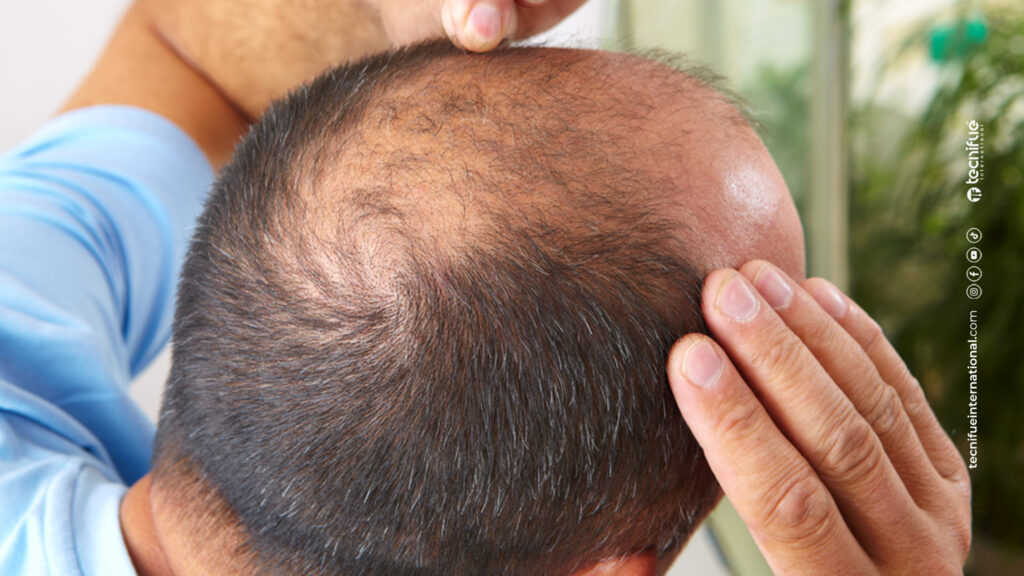
When extraction is performed correctly, the donor zone retains its natural appearance without visible thinning.
Hair transplant back of head planning begins long before the day of surgery. A detailed scalp analysis allows surgeons to measure donor density, evaluate follicular groupings, and determine how many grafts can safely be extracted without compromising the area’s appearance. Not every patient has the same donor strength, and this is why a personalized evaluation is essential. A successful hair transplant back of head procedure carefully balances graft demand with donor sustainability. Overharvesting can create visible thinning in the donor zone, which is why experienced surgeons prioritize long-term preservation over short-term density. The goal is to maintain a natural look both in the recipient area and in the donor region.
Hair Transplant Back of Head: How Follicles Are Extracted
Hair transplant back of head procedures involve two primary extraction methods:
Follicular Unit Extraction (FUE)
FUE removes individual follicular units using precision micro-punch tools. This minimally invasive approach leaves tiny, barely visible marks and allows patients to maintain short hairstyles.
Follicular Unit Transplantation (FUT)
FUT involves removing a thin strip of scalp tissue from the back of the head. The follicles are then carefully separated under magnification and implanted into recipient areas.
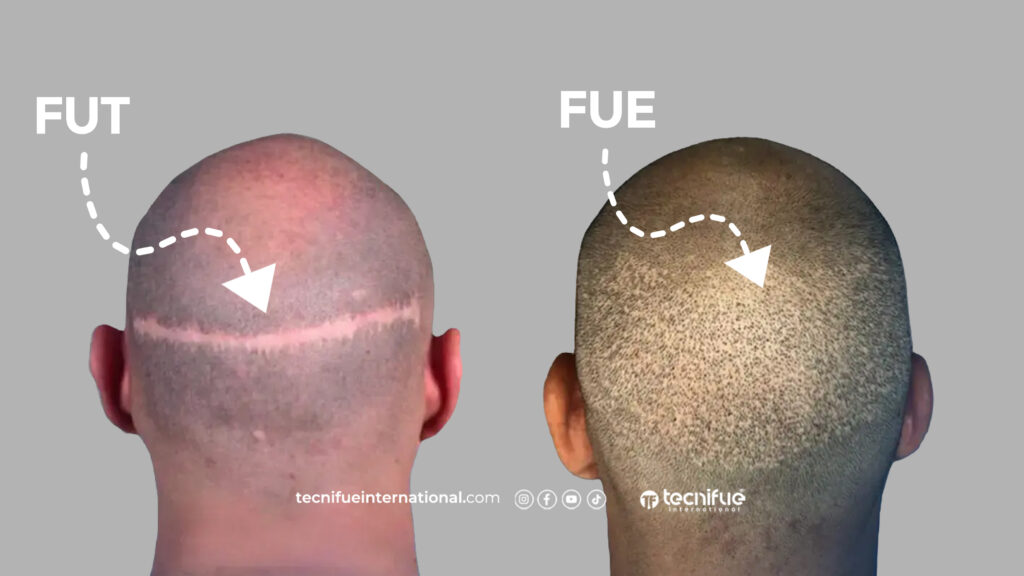
Both techniques depend entirely on donor area quality. Proper planning prevents overharvesting and protects long-term scalp aesthetics.
Hair Transplant Back of Head: Donor Area Density Planning
Hair transplant back of head success is not only about extraction it is about responsible density management. Surgeons must evaluate:
- Donor density per square centimeter
- Hair shaft thickness
- Scalp elasticity
- Future hair loss progression
Extracting too many grafts in one session can compromise the donor zone permanently. Ethical graft planning ensures balanced coverage while preserving natural density.
For patients considering international options, Hair Transplant Turkey has become globally recognized for structured donor area planning and high procedural volume expertise.
Hair transplant back of head techniques have evolved significantly over the past decade. Modern micro-extraction tools and magnification systems allow surgeons to remove follicles with extreme precision. This technological advancement reduces trauma to surrounding tissue and accelerates healing. A well-executed hair transplant back of head extraction leaves the donor area visually unchanged once fully healed. Advanced graft placement techniques also ensure that follicles are implanted at natural angles, mimicking original growth patterns. These refinements make the overall outcome more seamless and undetectable. Patients today benefit from both improved aesthetic results and better donor preservation thanks to these innovations.
Donor Area Healing and Aftercare
Hair transplant back of head recovery depends on proper post-operative care. After surgery, the donor region may experience mild redness, scabbing, or sensitivity.
Key aftercare principles include:
- Avoiding scratching or friction
- Following prescribed washing protocols
- Limiting physical activity for two weeks
- Protecting the area from direct sun exposure
To better understand the healing process visually, you may find this guide helpful:
Post Hair Transplant Pictures: What to Expect During Healing
Proper aftercare protects graft survival and maintains donor aesthetics.
Hair transplant back of head recovery plays a crucial role in long-term success. During the first week, mild redness and small scabs may appear in the donor region, which is completely normal. Following washing protocols and avoiding mechanical friction helps protect healing tissue. A properly managed hair transplant back of head site typically shows significant improvement within 10 to 14 days. Long-term donor integrity depends not only on surgical technique but also on patient compliance with aftercare instructions. Protecting the scalp from sun exposure and avoiding strenuous activity during early healing phases significantly reduces complication risks.
Is the Back of the Head Always Suitable?
Hair transplant back of head suitability depends on individual factors. While most patients have a stable donor zone, some may have:
- Diffuse thinning
- Limited donor density
- Scalp conditions
A thorough consultation determines whether the donor area can support the required graft count.
Comparison: FUE vs FUT for Donor Area Impact
| Factor | FUE | FUT |
| Scarring | Minimal dot scars | Linear scar |
| Recovery Time | Faster | Slightly longer |
| Ideal For | Short hairstyles | High graft sessions |
| Donor Preservation | High | High (when performed correctly) |
Both approaches can produce excellent results when donor area integrity is respected.
Hair transplant back of head suitability must also be evaluated in cases of diffuse thinning or advanced hair loss. While the occipital zone is typically stable, some patients may show reduced density across the entire scalp. In these situations, surgeons must determine whether a hair transplant back of head approach will provide sufficient graft numbers to achieve meaningful coverage. Ethical clinics prioritize realistic expectations and transparent communication regarding achievable density. Responsible planning ensures that patients do not sacrifice donor health for aggressive cosmetic goals. A balanced strategy preserves flexibility for potential future procedures and supports natural aging patterns over time.
Frequently Asked Questions – Hair Transplant Back of Head
Is hair from the back of the head permanent?
Yes. It is genetically resistant to common hair loss patterns.
Will the donor area look thin after extraction?
Not when grafts are responsibly harvested.
Can the donor area run out of hair?
Yes, if overharvested. Proper planning prevents this.
Is FUE better than FUT?
Yes, in most cases FUE is considered better than FUT because it is minimally invasive, leaves no linear scar, offers faster recovery, and allows patients to wear shorter hairstyles. However, the best technique still depends on graft needs, scalp characteristics, and long-term planning.
How long does donor healing take?
Surface healing usually occurs within 10–14 days.
Hair transplant back of head procedures form the foundation of successful hair restoration. Without a healthy donor area, long-term natural results are not possible. Careful assessment, ethical graft extraction, and proper aftercare determine whether the donor zone remains strong and visually intact.
TecniFUE International prioritizes structured donor management, natural hairline design, and long-term planning to ensure that patients achieve balanced, sustainable results. With expert evaluation and advanced techniques, patients can move forward confidently toward restored density and renewed confidence.