

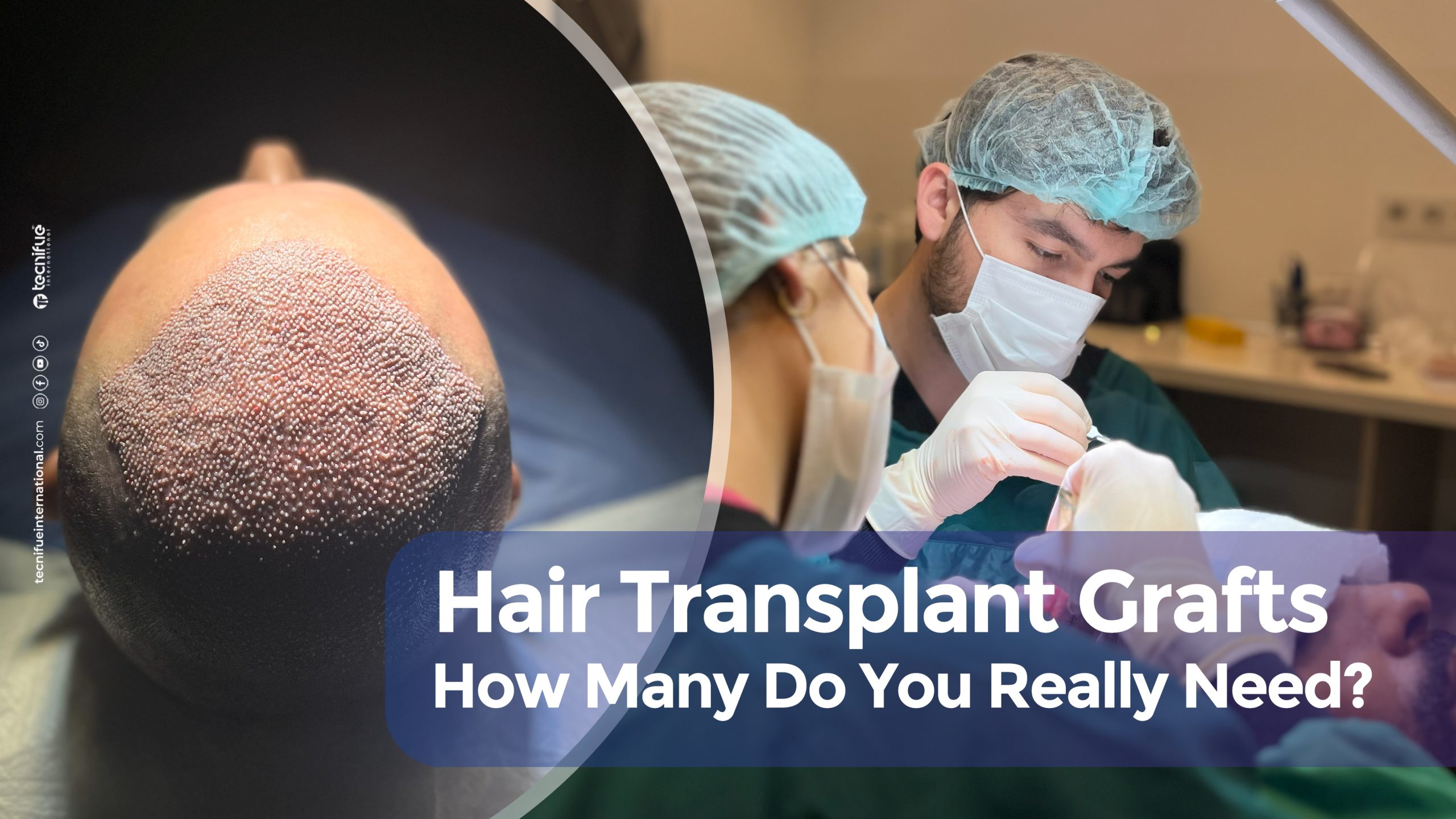

The number of hair transplant grafts you need depends on your stage of hair loss, the areas to be restored, your hair density goals, and the quality of your donor area. Only a medical evaluation can provide an accurate estimate.
Hair loss can be discouraging, but modern hair transplantation offers a reliable path to natural, lasting results. One of the first and most important questions patients ask is how many grafts are necessary to achieve visible coverage without overharvesting the donor area.
Hair Transplant Grafts: What Are They Exactly?
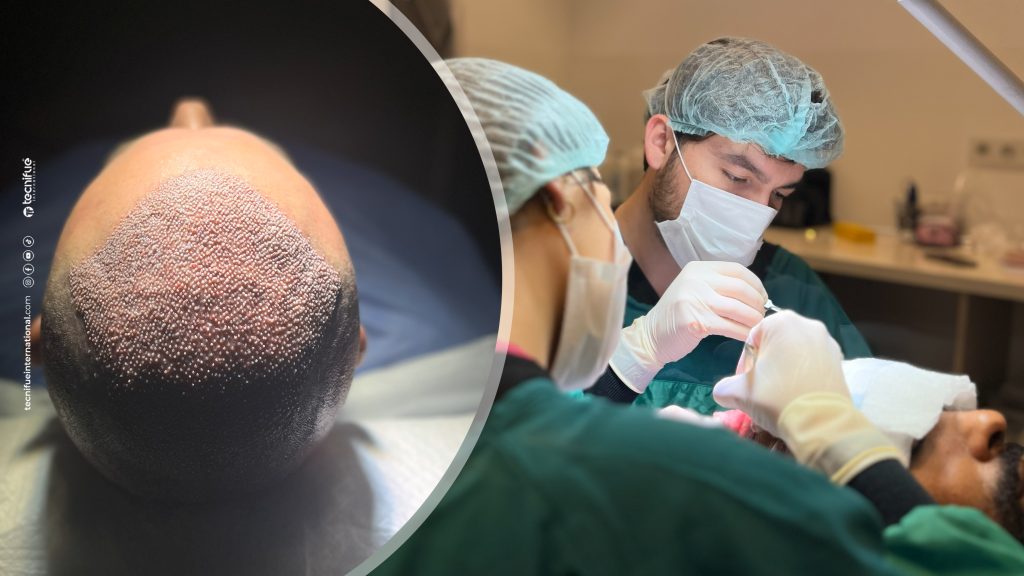
Hair transplant grafts are small units of scalp tissue containing hair follicles, usually between 1 and 4 hairs per graft. These grafts are extracted from the donor area—typically the back or sides of the head—and implanted into thinning or bald areas.
The strategic placement of hair transplant grafts is essential. Surgeons carefully select graft size and distribution based on:
- Hair texture
- Curl pattern
- Natural growth direction
- Desired density
A well-planned graft implantation ensures natural-looking results and long-term success.
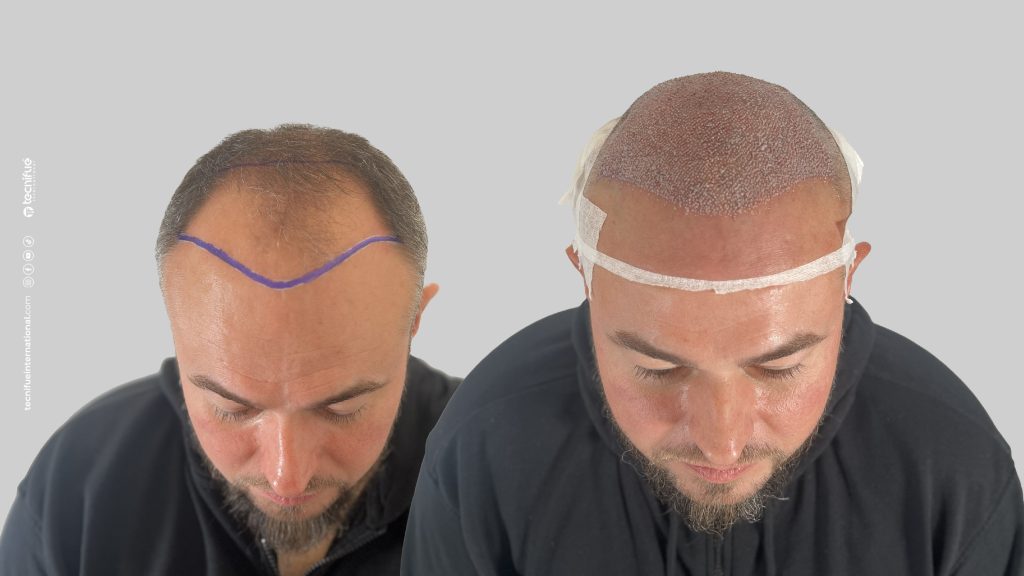
Understanding hair transplant grafts also means understanding how density is calculated. Many patients assume that more grafts automatically lead to better results, but this is not always true. Surgeons work with the concept of graft density, usually measured in grafts per square centimeter. The ideal density depends on factors such as hair thickness, curl, color contrast with the scalp, and existing native hair. For example, patients with thick or curly hair may need fewer hair transplant grafts to achieve the same visual density as someone with fine, straight hair. This is why two patients with similar hair loss patterns can require very different graft numbers. Proper planning ensures that hair transplant grafts are distributed strategically to frame the face and create a natural appearance, rather than being wasted in less visible areas. A skilled surgeon prioritizes visual impact over sheer numbers, ensuring that every graft contributes meaningfully to the final result.
Hair Transplant Grafts and Hair Loss Stages
Hair transplant grafts requirements vary depending on the severity of hair loss. Below is a general guide based on the Norwood scale.
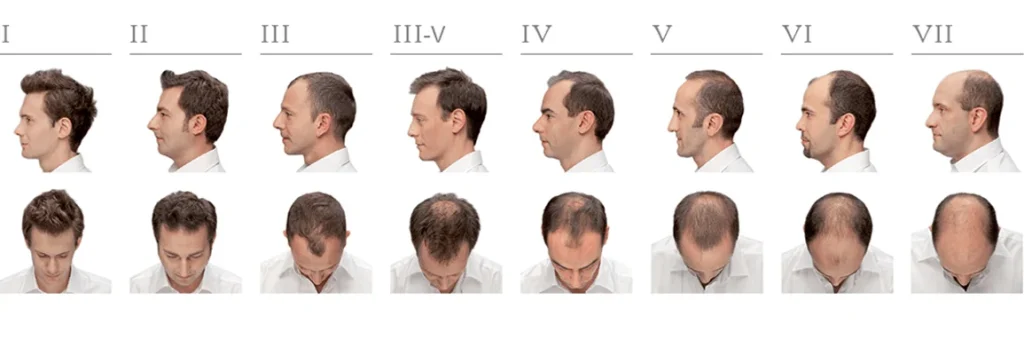
Early Hair Loss (Norwood 1–2)
Hair transplant grafts needed: 500–1,000
At this stage, hair loss is minimal and usually limited to mild temple recession or thinning. A small number of grafts can restore a youthful hairline with subtle enhancement.
Moderate Hair Loss (Norwood 3–4)
Hair transplant grafts needed: 1,500–3,000
Moderate loss typically affects the frontal hairline and mid-scalp. This graft range allows for balanced coverage and a natural density in visible areas.
Advanced Hair Loss (Norwood 5–6)
Hair transplant grafts needed: 3,500–4,000+
Advanced hair loss involves significant thinning across the front, crown, and top of the scalp. The focus shifts toward rebuilding a strong frontal frame and improving overall appearance rather than full density everywhere.
Extensive Hair Loss (Norwood 7)
Hair transplant grafts needed: 4,000+ (often multiple sessions)
At this stage, donor hair availability becomes the limiting factor. A realistic plan prioritizes frontal density and natural coverage while preserving donor area health.




Table: Hair Transplant Grafts by Coverage Area
| Area Treated | Approx. Grafts Needed |
| Temples | 300–600 |
| Hairline | 800–1,200 |
| Mid-scalp | 1,000–2,000 |
| Crown | 1,200–2,500 |
| Full top | 3,000–4,500 |
Why Hair Transplant Grafts Estimates Are Never One-Size-Fits-All
Hair transplant grafts cannot be estimated accurately using online calculators alone. Surgeons must evaluate:
- Donor density and quality
- Hair shaft thickness
- Skin elasticity
- Future hair loss progression
Overharvesting grafts can permanently damage the donor area, which is why medical expertise matters more than numbers alone.
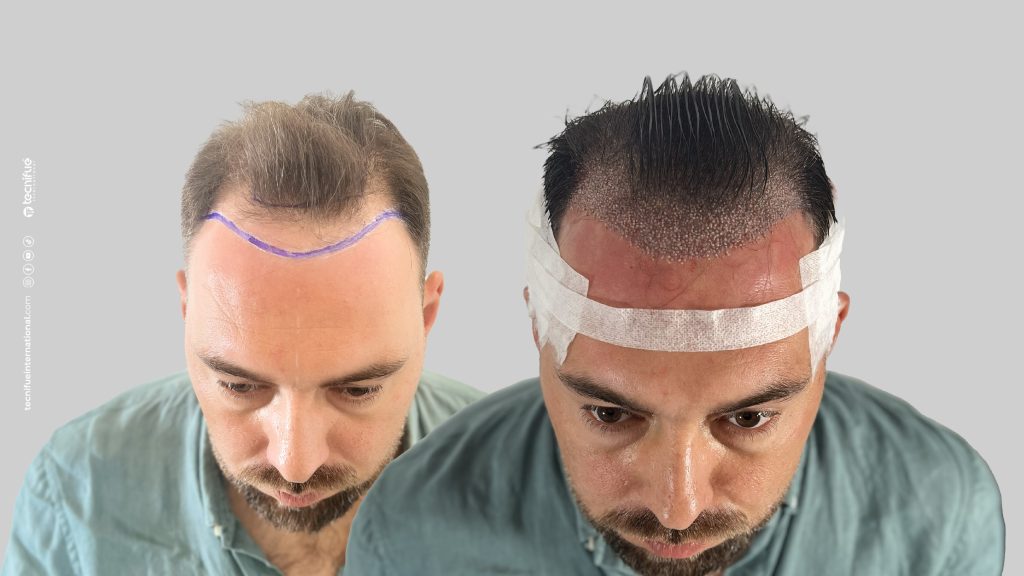
Another important element when evaluating hair transplant grafts is future hair loss progression. Hair transplantation does not stop natural hair loss from continuing in untreated areas. This is why experienced specialists always plan graft placement with the future in mind. Using too many hair transplant grafts in one session may leave insufficient donor hair for later procedures if hair loss advances. A conservative, long-term approach protects the donor area and ensures that patients can maintain a natural appearance over time. This strategy is especially important for younger patients, whose hair loss pattern may not yet be fully defined. By carefully allocating hair transplant grafts, surgeons can preserve flexibility for future touch-ups or density adjustments. This long-term planning mindset separates high-quality medical practice from short-term cosmetic solutions and plays a major role in patient satisfaction years after the procedure.
Why TecniFUE International Focuses on Smart Graft Planning
TecniFUE International emphasizes responsible graft management and long-term results. Instead of maximizing graft numbers, the goal is to:
- Preserve donor area integrity
- Create natural hairlines
- Plan for future hair loss evolution
- Achieve optimal density with fewer grafts when possible
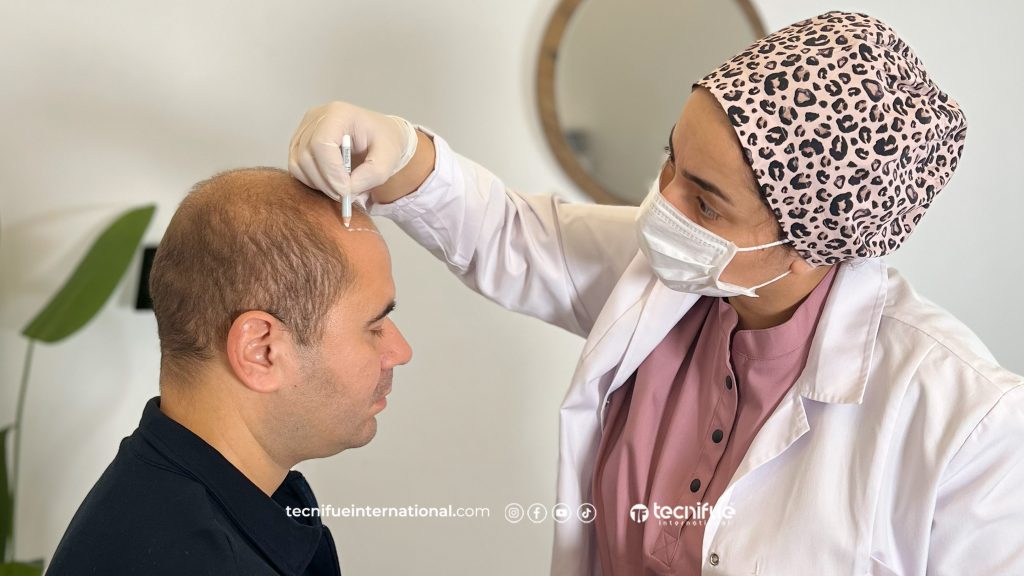
This medical-first approach ensures both safety and aesthetics.
Learn more about Hair Transplant Turkey and international standards of care.
For safety details, read:
Is a hair transplant in Turkey safe?
FAQ – Hair Transplant Grafts
Can I get better results with more grafts?
Not always. Proper placement matters more than sheer quantity.
How many grafts can be transplanted in one session?
Usually between 3,000 and 4,500 depending on donor capacity.
Can grafts fail to grow?
Yes, if aftercare is ignored or grafts are poorly handled.
Will I need a second procedure?
Some patients do, especially with progressive hair loss.
Does hair texture affect graft count?
Yes. Thick or curly hair often requires fewer grafts.
Patients researching hair transplant grafts often rely heavily on online calculators or generic charts, but these tools should only be used as rough references. While they can provide an initial estimate, they cannot account for critical variables such as donor density, scalp elasticity, or hair shaft diameter. Only a medical assessment can determine how many hair transplant grafts are safe to extract without compromising the donor area. Additionally, graft survival rates depend on surgical technique, graft handling, and post-operative care.
Even the best planning can fail if hair transplant grafts are not implanted correctly or cared for properly afterward. This is why choosing an experienced medical team and following aftercare instructions are just as important as the graft count itself. When all these factors align, patients achieve natural, long-lasting results that look consistent from every angle.
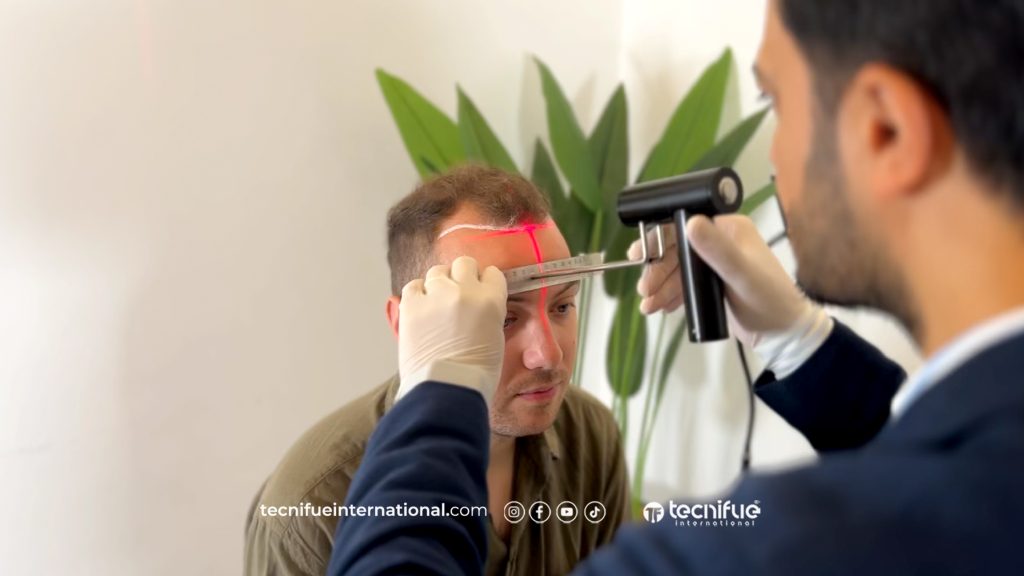
Understanding how many hair transplant grafts you need is a critical step in planning a successful procedure. While general estimates are helpful, only a professional medical evaluation can determine the right approach for your scalp, hair type, and long-term goals.
With a focus on precision, safety, and natural outcomes, TecniFUE International provides expert guidance for patients seeking reliable, long-lasting hair restoration.
Visit TecniFUE International to take the next step with confidence.