


A hair transplant in Turkey is safe when it is planned and led by a licensed surgeon inside an accredited, sterile clinic. The country itself is not the risk; the clinic and medical team you choose are. Turkey performs more hair transplants than any other nation, which means both the best and the worst providers operate here.
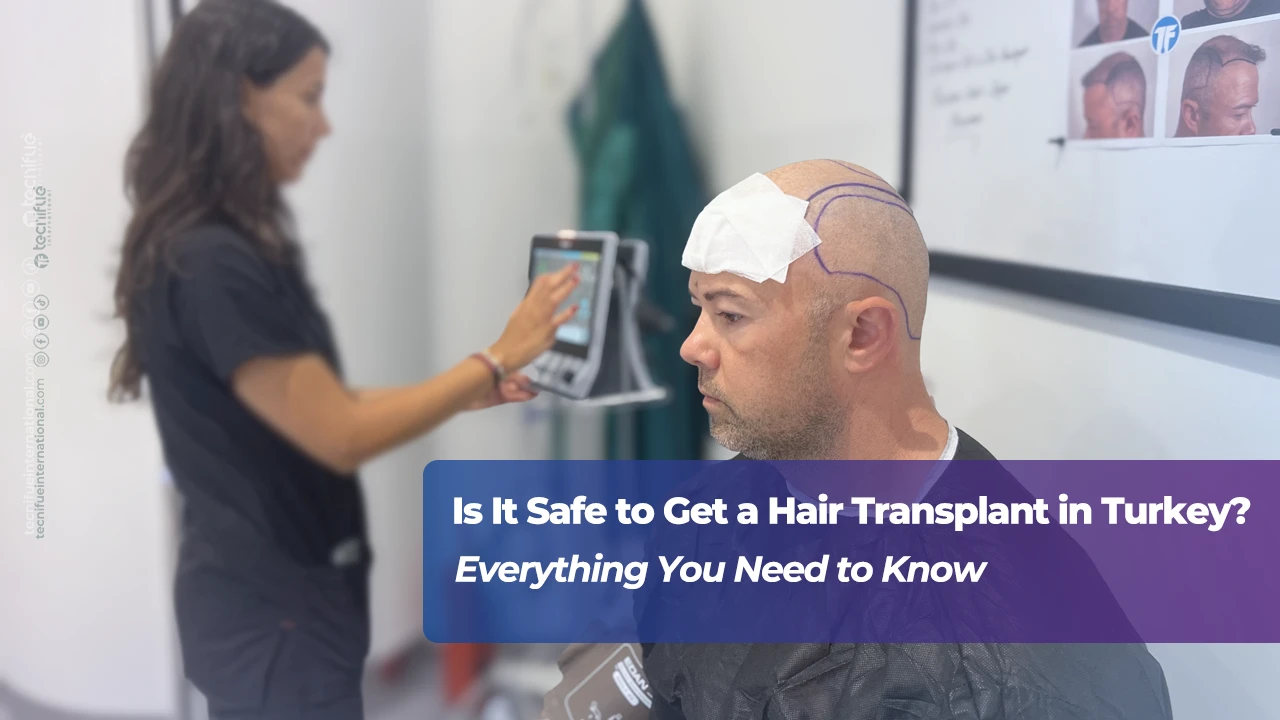
Key Takeaways
- A safe hair transplant in Turkey depends on the clinic and surgeon, not the Turkish flag.
- Most complications trace back to “hair mills,” unlicensed technicians and overharvesting.
- Surgeon-led FUE and DHI procedures with proper screening carry very low risk.
- Verify the operating licence, surgeon credentials and a written contract before you book.

Is a Hair Transplant in Turkey Safe? (Quick Answer)
Yes. A safe hair transplant in Turkey is both realistic and common, as long as you pick a properly licensed, surgeon-led clinic. The procedure is minor surgery with well-understood risks that competent teams control easily.
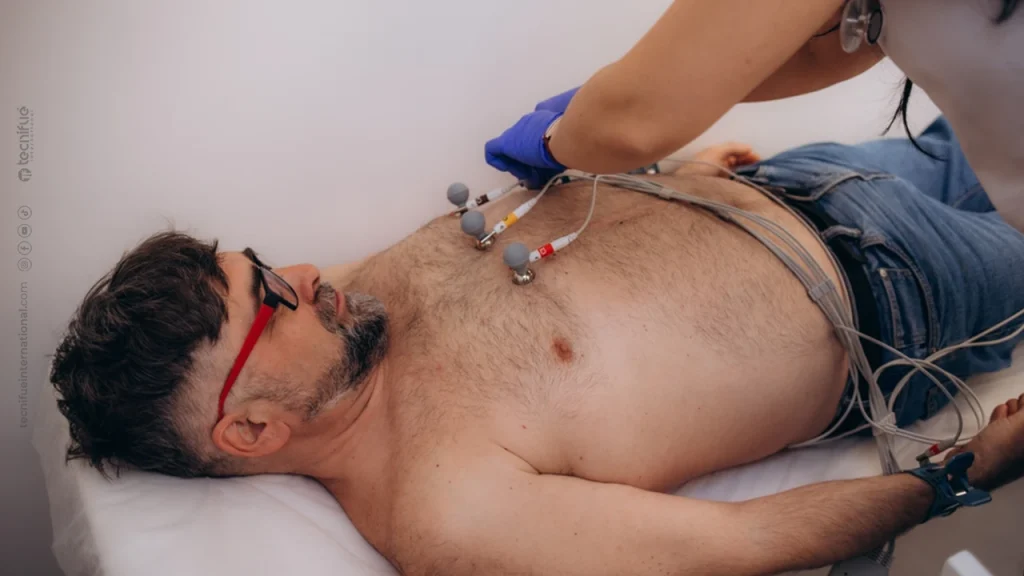
Safety depends on the clinic and surgeon, not the country
Where you go inside Turkey matters far more than the fact that you are in Turkey. A world-class Istanbul clinic and a back-street graft factory can sit in the same neighbourhood. Judge the specific surgeon and facility, not the destination.
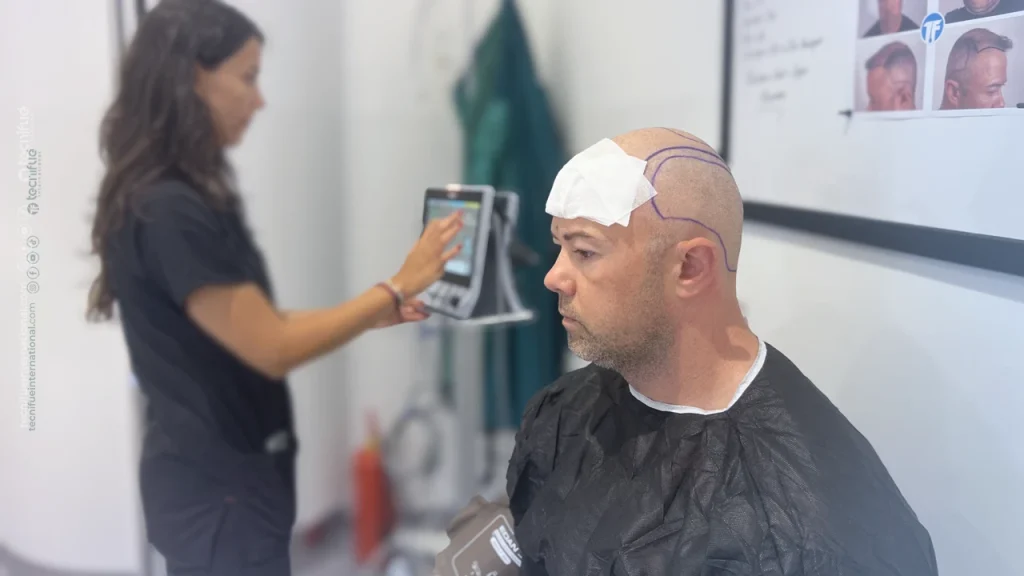
Is Turkey actually good for hair transplants?
Yes, Turkey is genuinely one of the best places in the world for hair restoration. Medical tourism is a vital part of Turkey’s economy, and the country hosts some of the largest hospital groups in the world. This scale has produced highly experienced teams performing a Hair Transplant Turkey every day, alongside less reputable operators. Turkey has become a leading destination for hair transplant procedures, offering advanced techniques and experienced surgeons, while strict hair transplant safety standards protect patients throughout the process.
Risks of a Hair Transplant in Turkey (and How to Avoid Them)
The main risks are not caused by Turkey but by choosing the wrong provider. A hair transplant Turkey safe outcome is very achievable, and common issues include:
- Unlicensed technicians performing the surgery instead of a doctor. Avoid this by confirming a surgeon leads the procedure.
- Overharvesting the donor area, causing permanent thinning. Ask about graft limits and donor management.
- Poor hygiene or infection in non-sterile “hair mills.” Insist on an accredited, sterile clinic.
- Unnatural hairlines and poor density from rushed, high-volume work.
Most complications trace back to these factors, and all of them are avoidable with careful clinic selection.
How to Verify a Safe Clinic in Turkey
Before you book, apply these clinic selection criteria:
- Confirm the clinic holds a valid operating licence from the Turkish Ministry of Health.
- Verify the surgeon’s credentials and that a licensed doctor plans and leads your procedure.
- Request a written contract covering the technique, number of grafts and aftercare.
- Read independent reviews, including what patients say about hair transplants on Reddit.
Is It Safe to Travel to Turkey for a Hair Transplant?
Yes. Turkey is a well-established medical tourism destination with modern airports, hospitals and international-standard hospitality. Standard travel precautions apply, but the country is routinely visited by millions of patients and tourists. The safety of your treatment depends far more on your chosen clinic than on the journey itself.
Safety, Success Rates and Techniques
Modern surgeon-led procedures have high success rates when performed correctly. Learn more about the success rate of hair transplants in Turkey.
The two main techniques both play an important role in safety:
- FUE (Follicular Unit Extraction) removes individual follicles from the donor area with minimal scarring, lowering the risk of visible marks and long recovery. Read our FUE hair transplant overview for details.
- DHI (Direct Hair Implantation) implants grafts directly using a specialised pen, reducing the time follicles spend outside the body and improving graft survival and density control.
When performed by a licensed surgeon in a sterile clinic, both FUE and DHI carry very low risk and reliable outcomes.
Frequently Asked Questions
Is a hair transplant in Turkey safe?
Yes, a hair transplant Turkey safe result is the norm when the procedure is performed by a licensed surgeon in an accredited, sterile clinic. The risk comes from the provider, not the country.
Why is Turkey so popular for hair transplants?
Turkey combines experienced surgeons, high procedure volumes and competitive pricing, making it a leading global destination for hair restoration.
What are the most common risks?
Infection, overharvesting, unnatural hairlines and unlicensed technicians — all avoidable by choosing a reputable, surgeon-led clinic.
How do I know a clinic is safe?
Confirm the operating licence, verify surgeon credentials, request a written contract and read independent patient reviews.
What is the difference between FUE and DHI?
FUE extracts follicles for later implantation, while DHI implants them directly with a specialised pen. Both are safe when performed correctly.
What success rate can I expect?
Surgeon-led procedures in reputable clinics have high success rates, though results depend on your donor area and aftercare.
Is it safe to travel to Turkey for surgery?
Yes. Turkey is a well-established medical tourism destination with modern infrastructure and international-standard facilities.
How do I avoid “hair mills”?
To keep your hair transplant Turkey safe, avoid clinics that rely on unlicensed technicians, high patient volumes and no surgeon involvement. Prioritise transparency, licensing and written guarantees.